
Access4All Meeting
Reggio Calabria, Italy • May 18-24, 2024
Transforming Education with Digital Inclusion
The meeting in Reggio Calabria represented a fundamental moment for the Erasmus+ "Access4All" project, bringing together international partners to develop concrete strategies and tools for more accessible education.
Assistive Technologies
Exploration and sharing of software and hardware tools to support students with diverse abilities.
Inclusive Education
Discussion on methodologies such as Universal Design for Learning (UDL) to create effective learning environments for everyone.
Practical Toolkit
Collaborative development of the "Inclusive Technology Toolkit," a key resource of the Access4All project.
Weekly Agenda
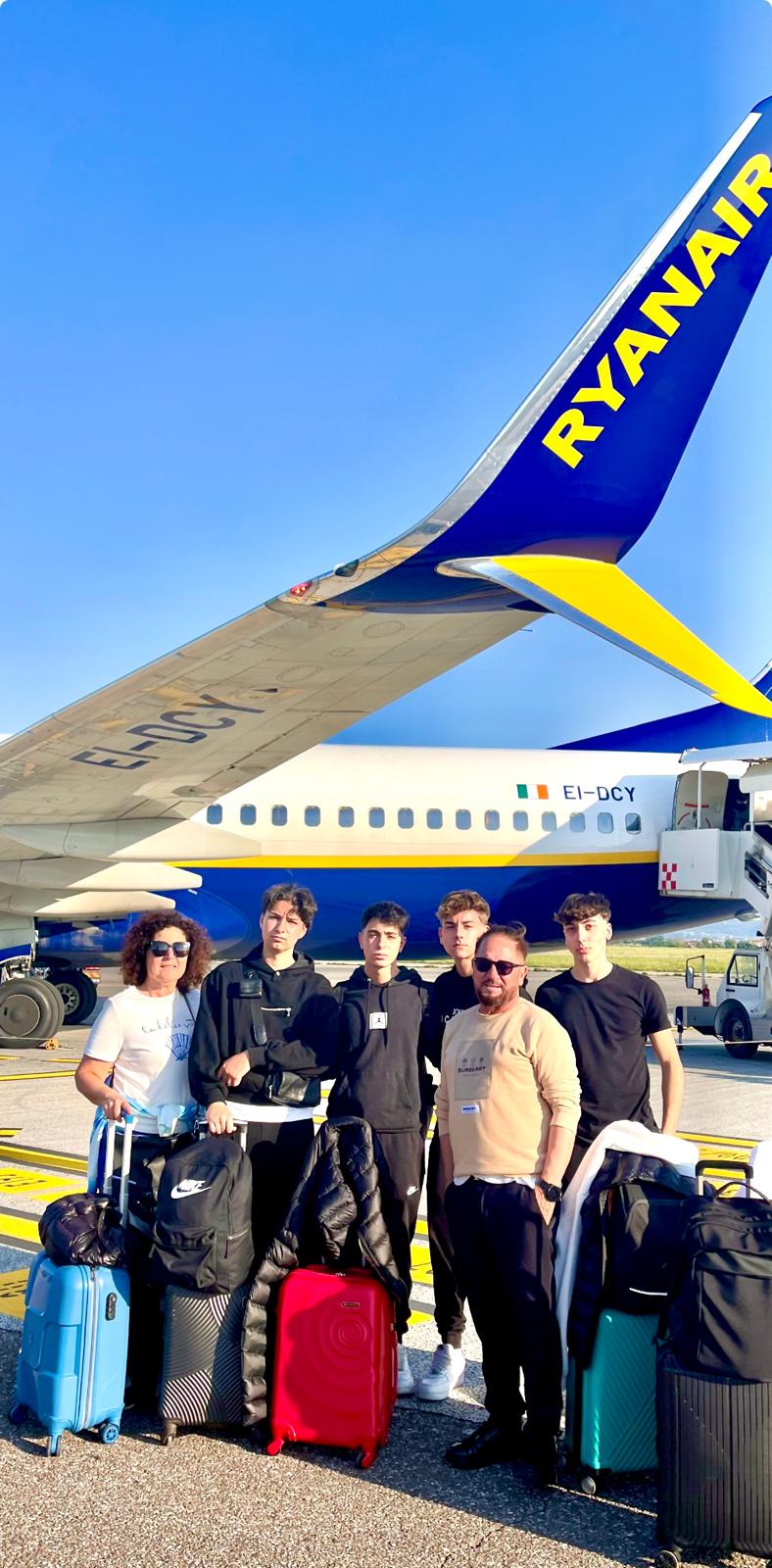
Arrivals & Check-in
Participants welcome
Welcome Dinner
Meduuza Restaurant
Video
A short video summarizing the highlights of the week spent in Reggio Calabria.
Photo Gallery
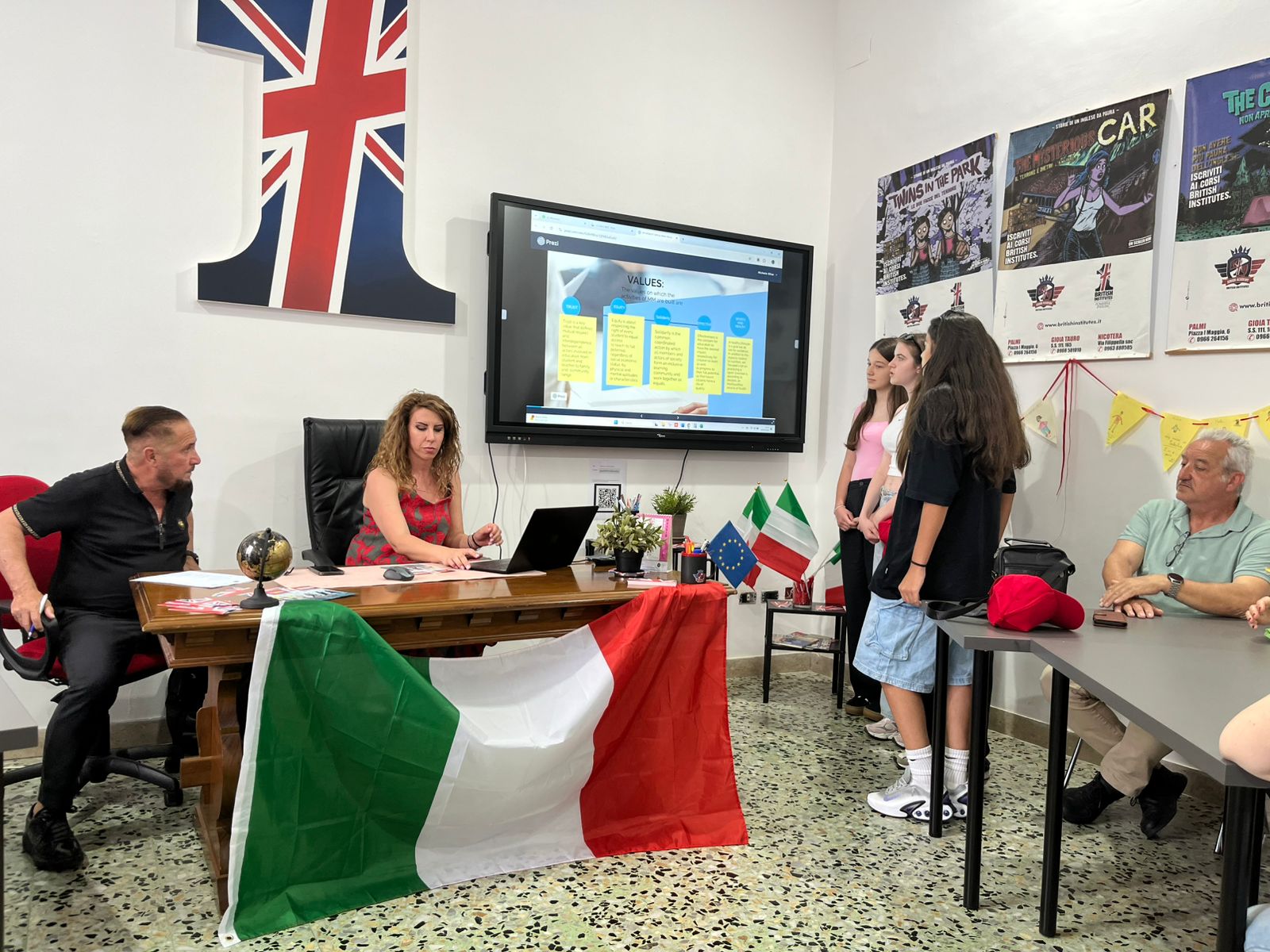
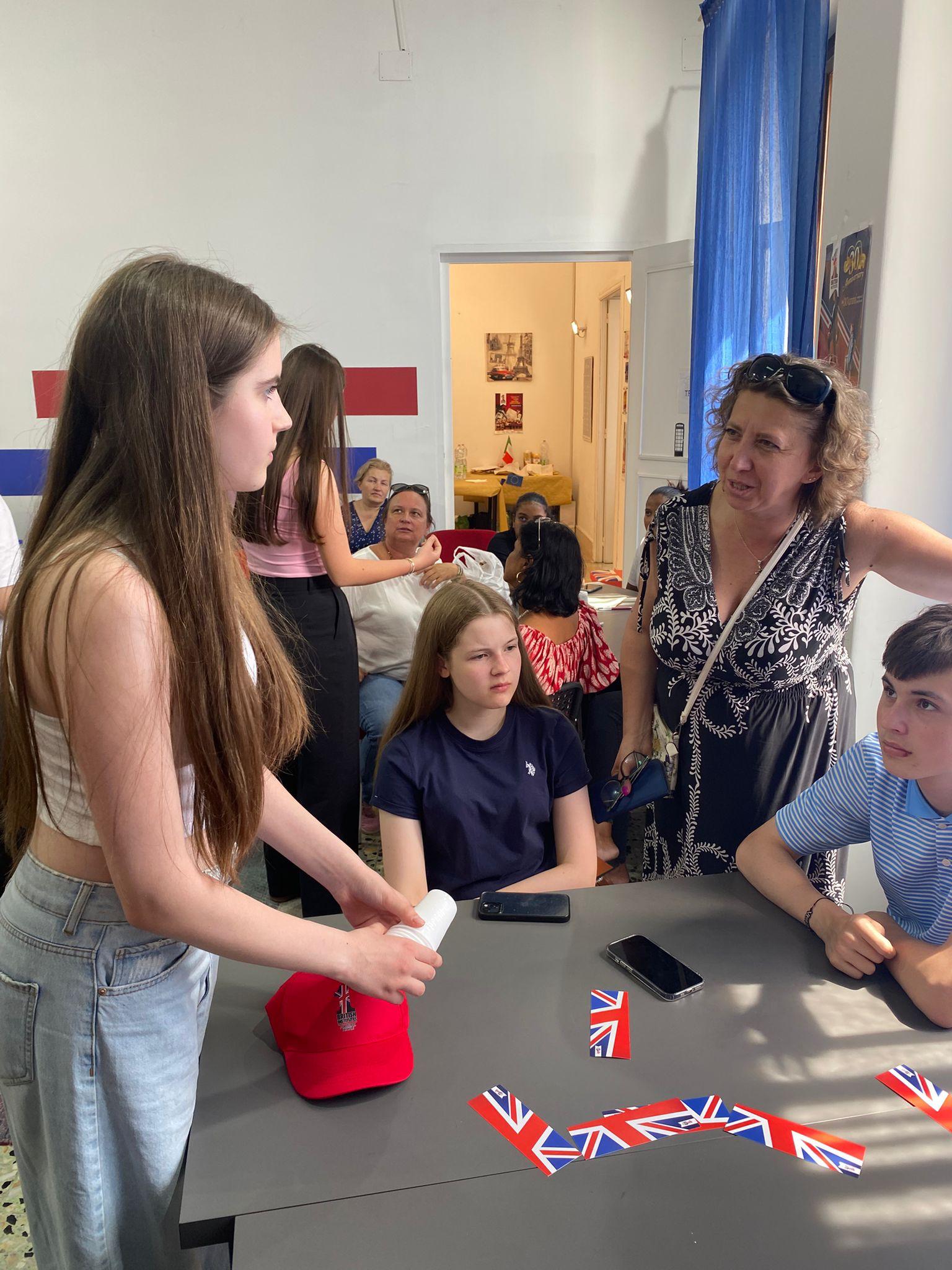
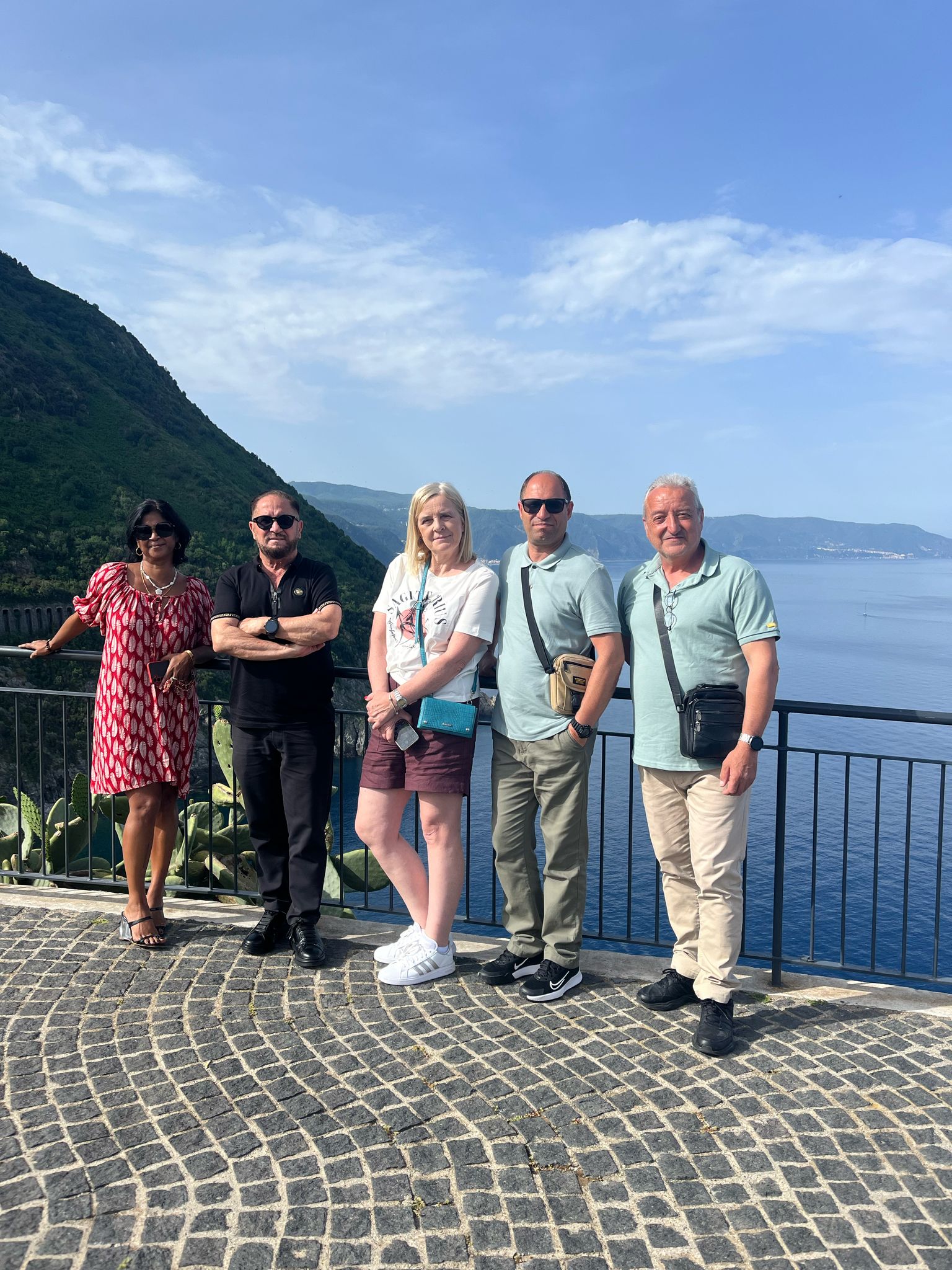
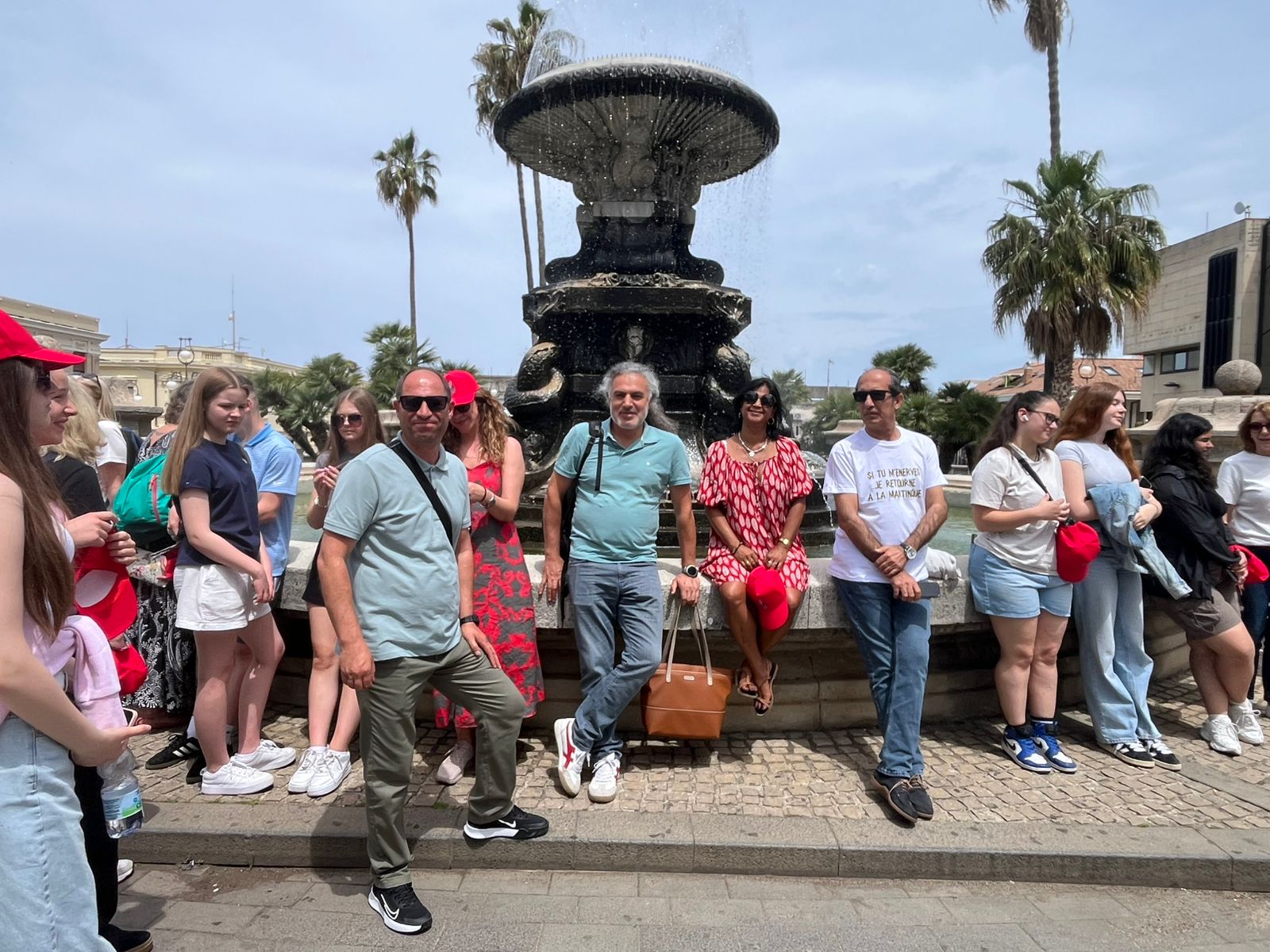
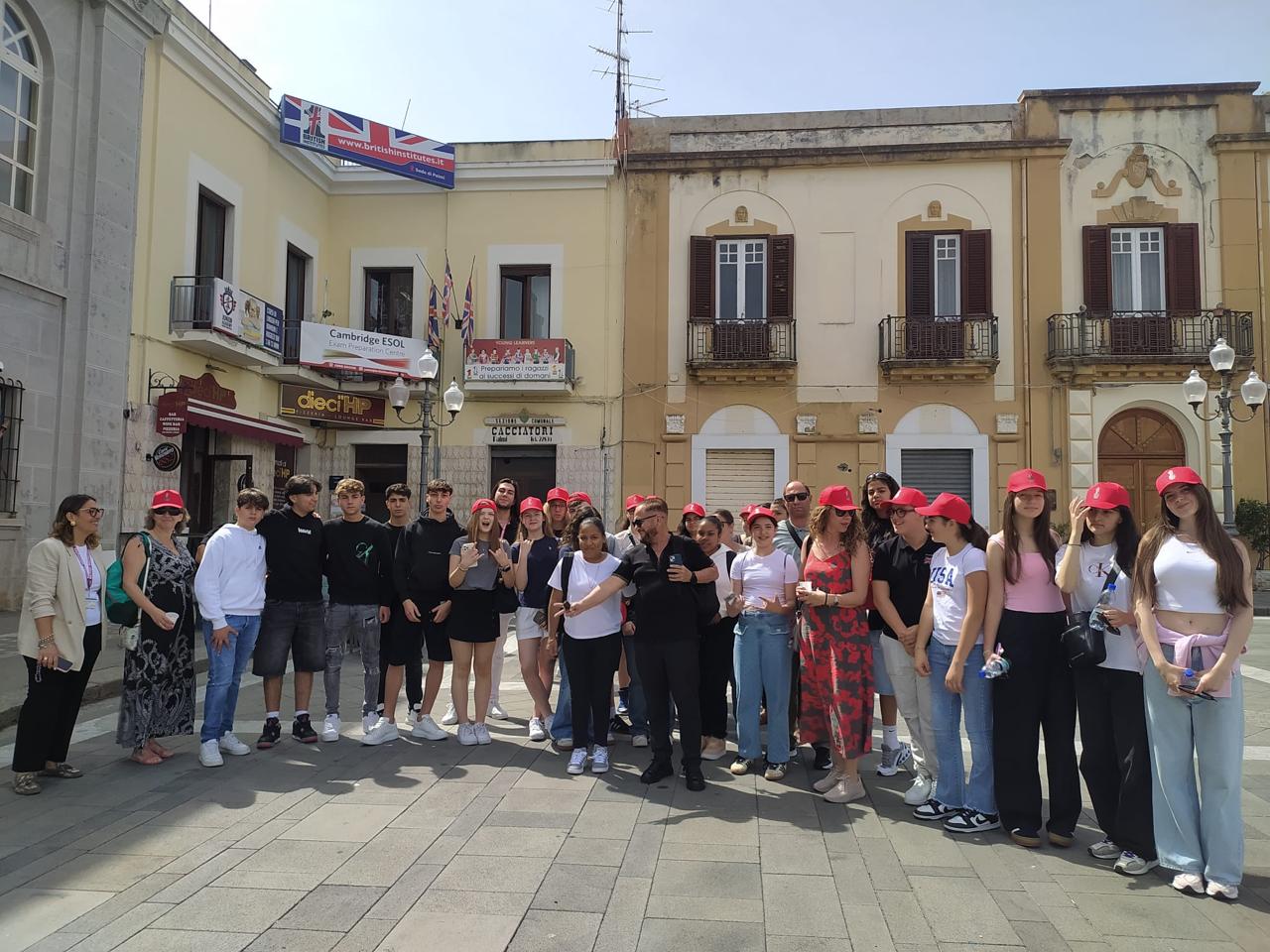
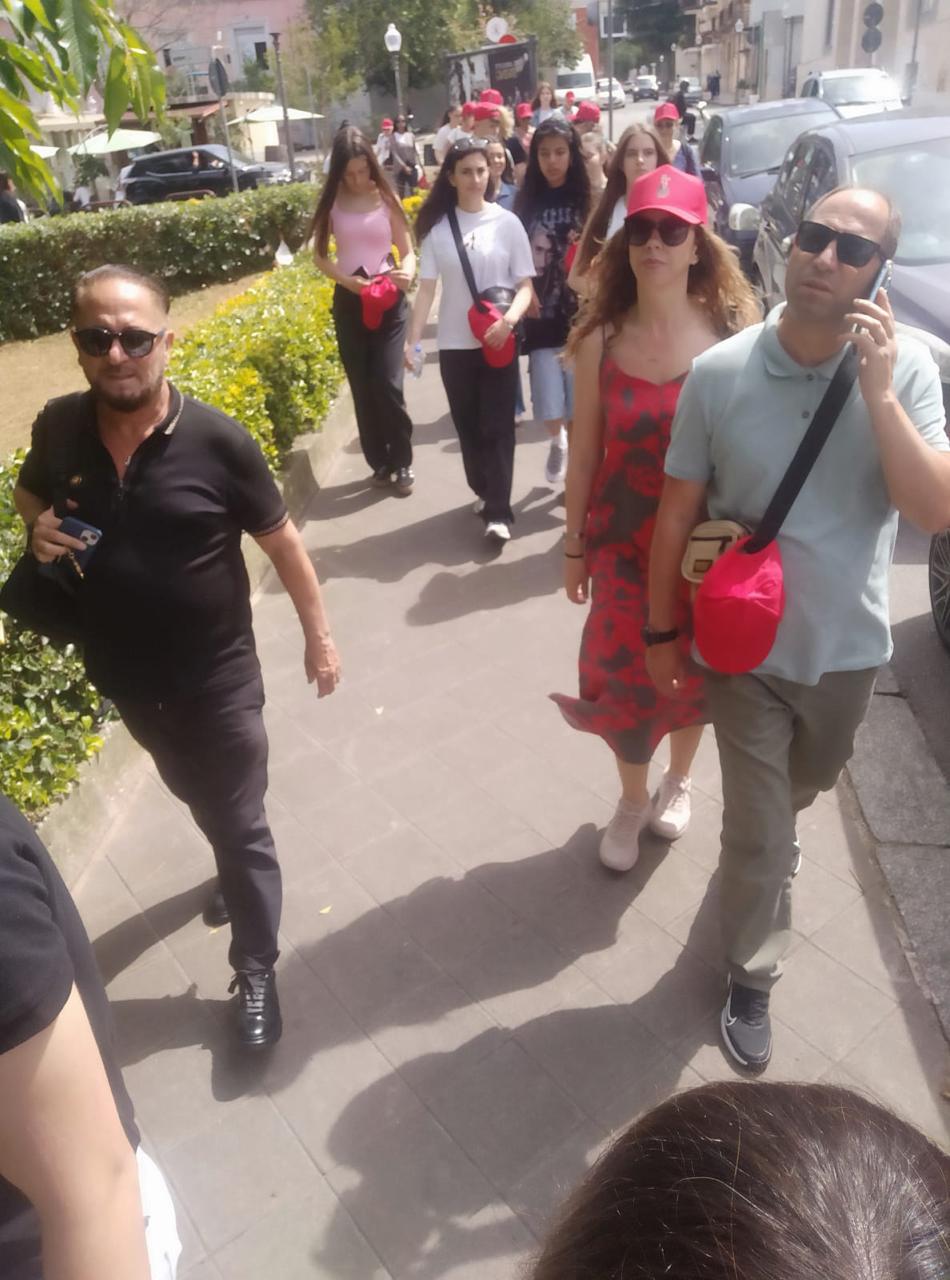
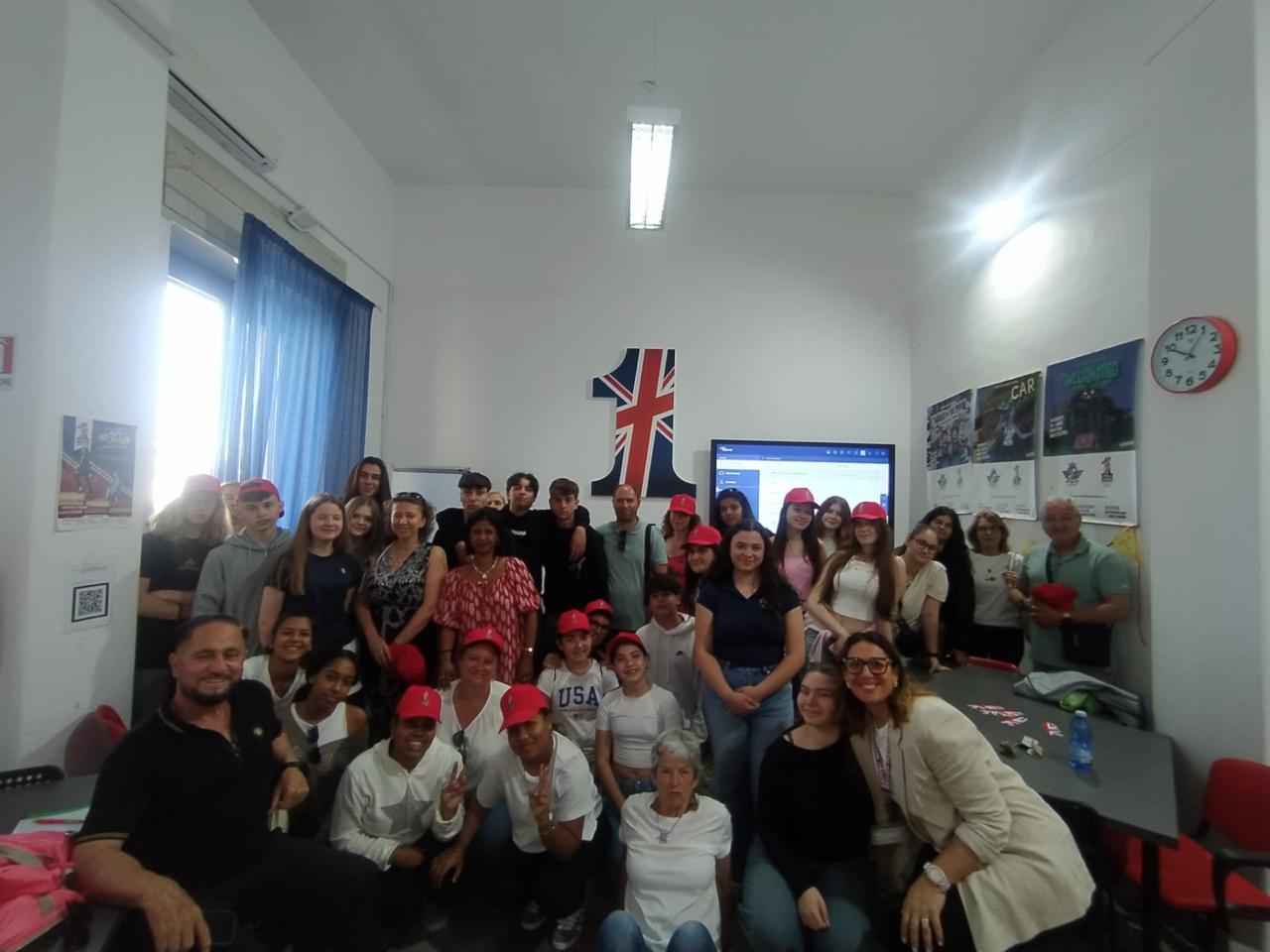
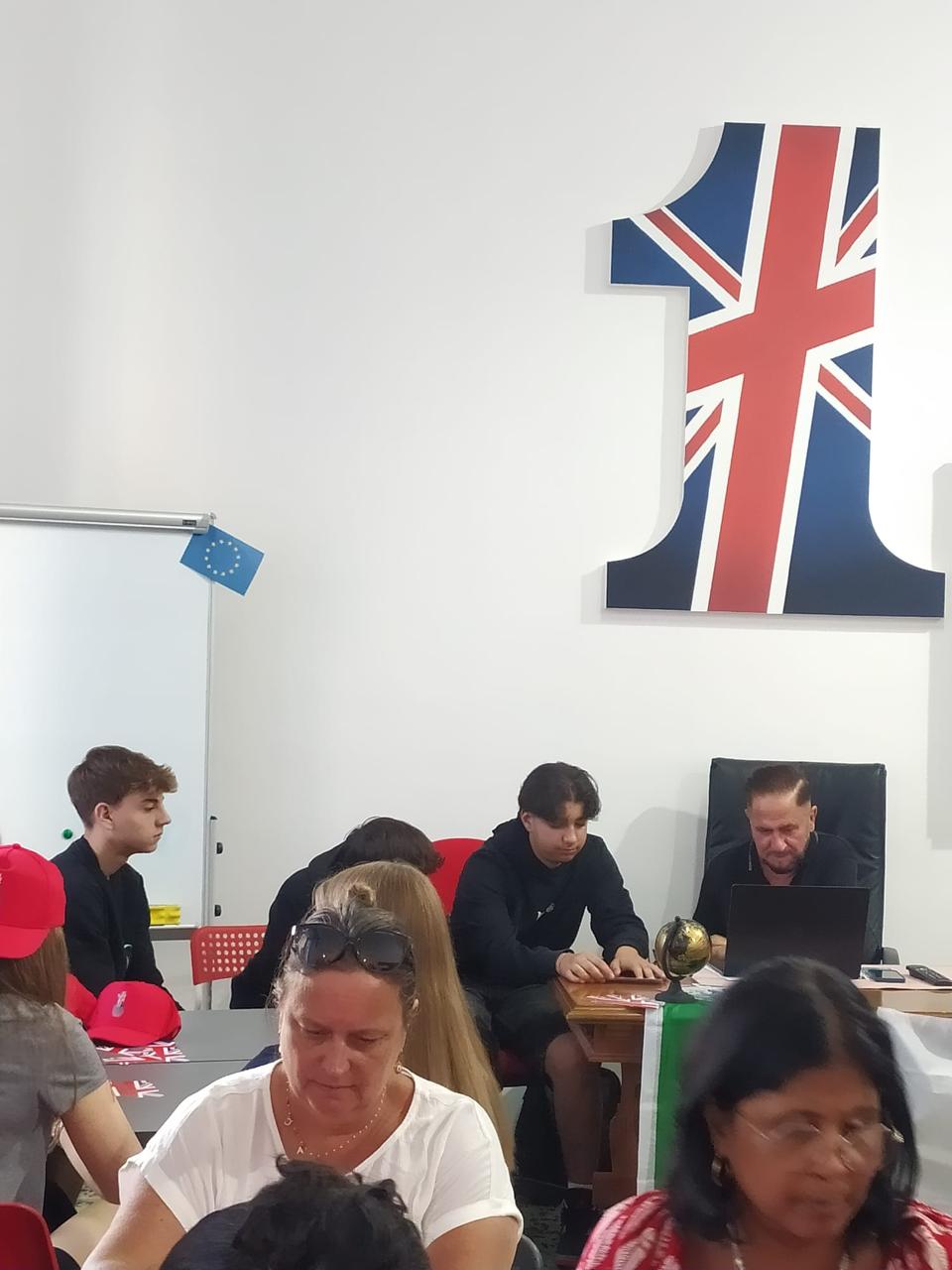
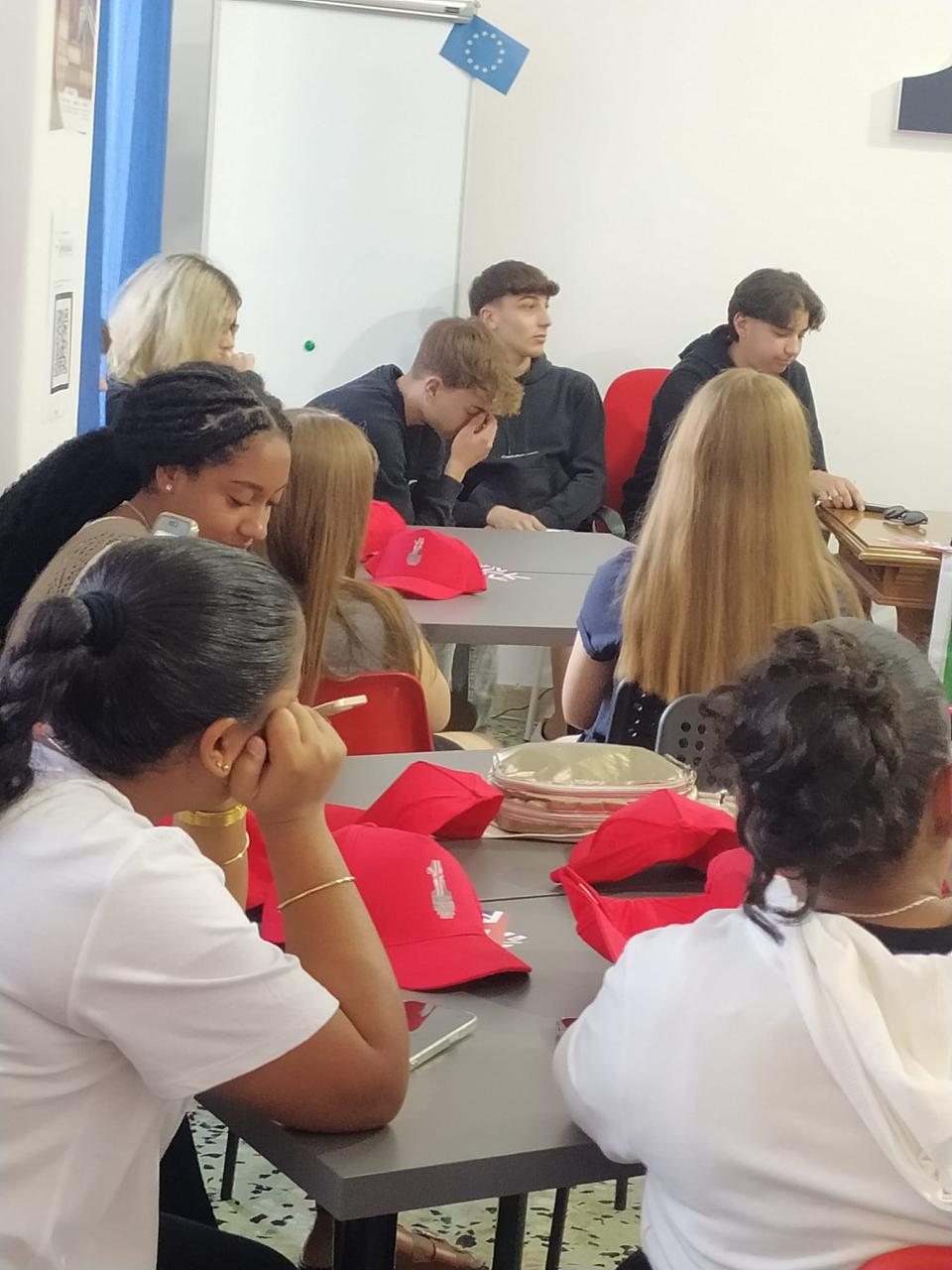
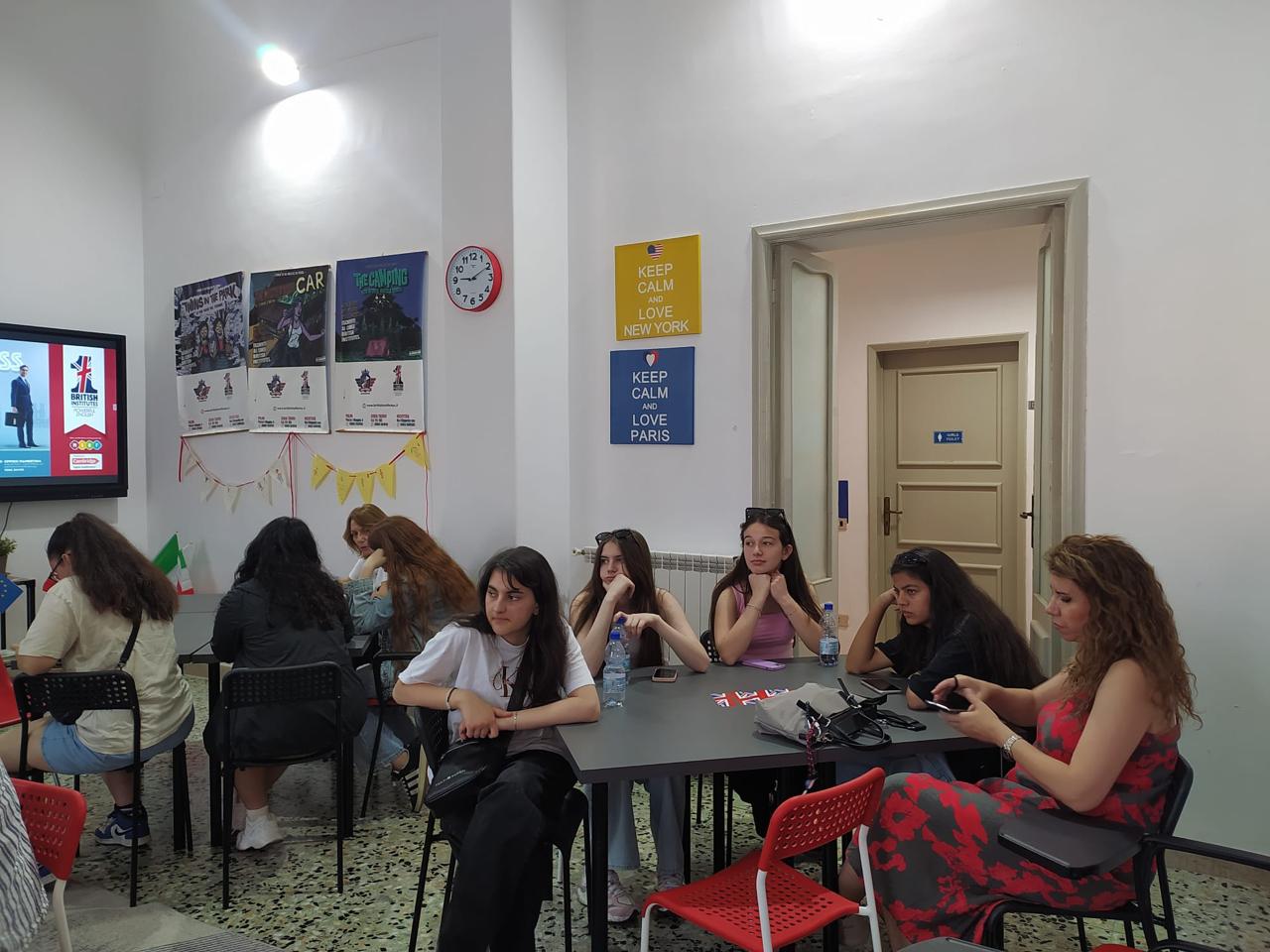
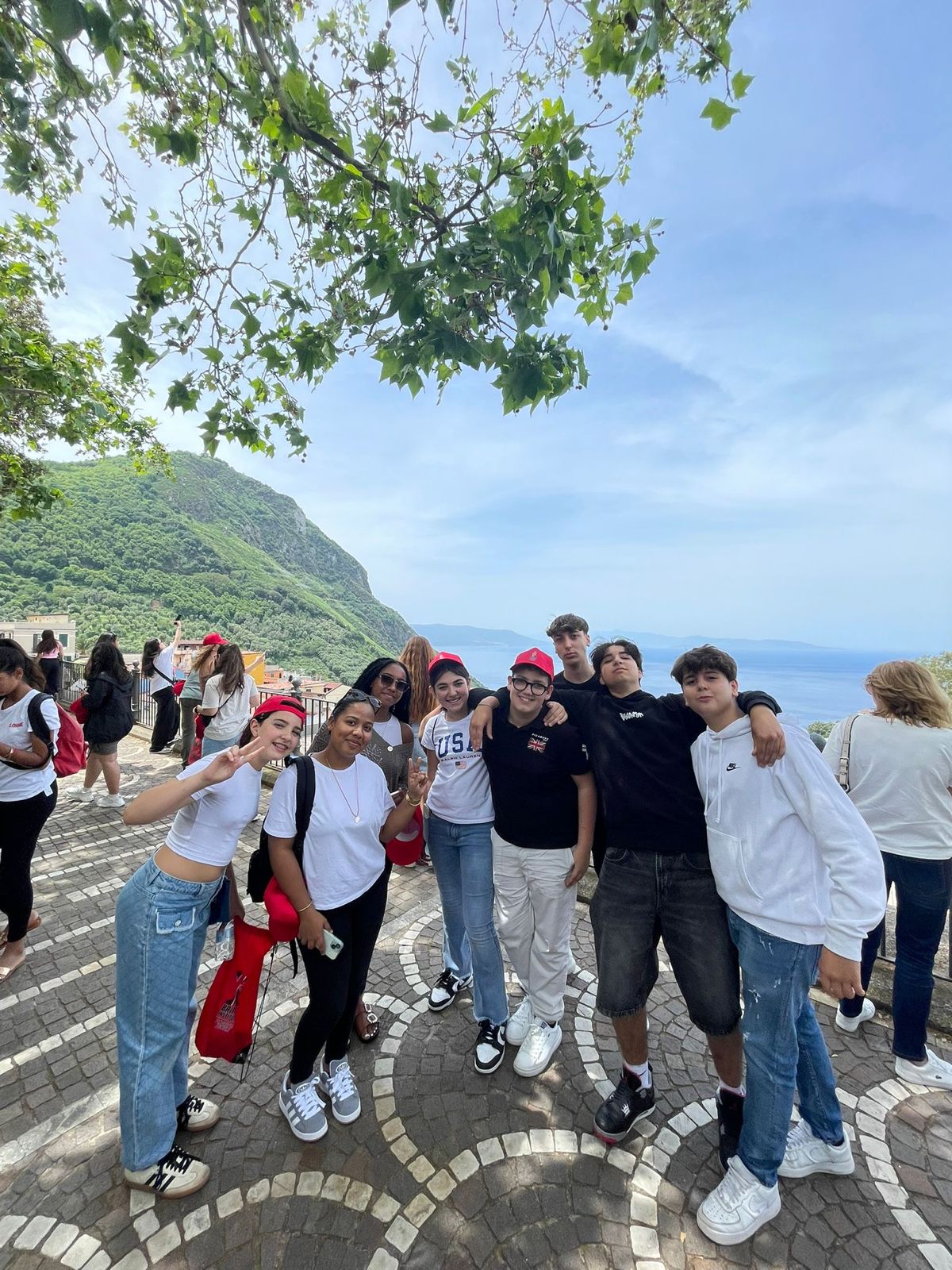
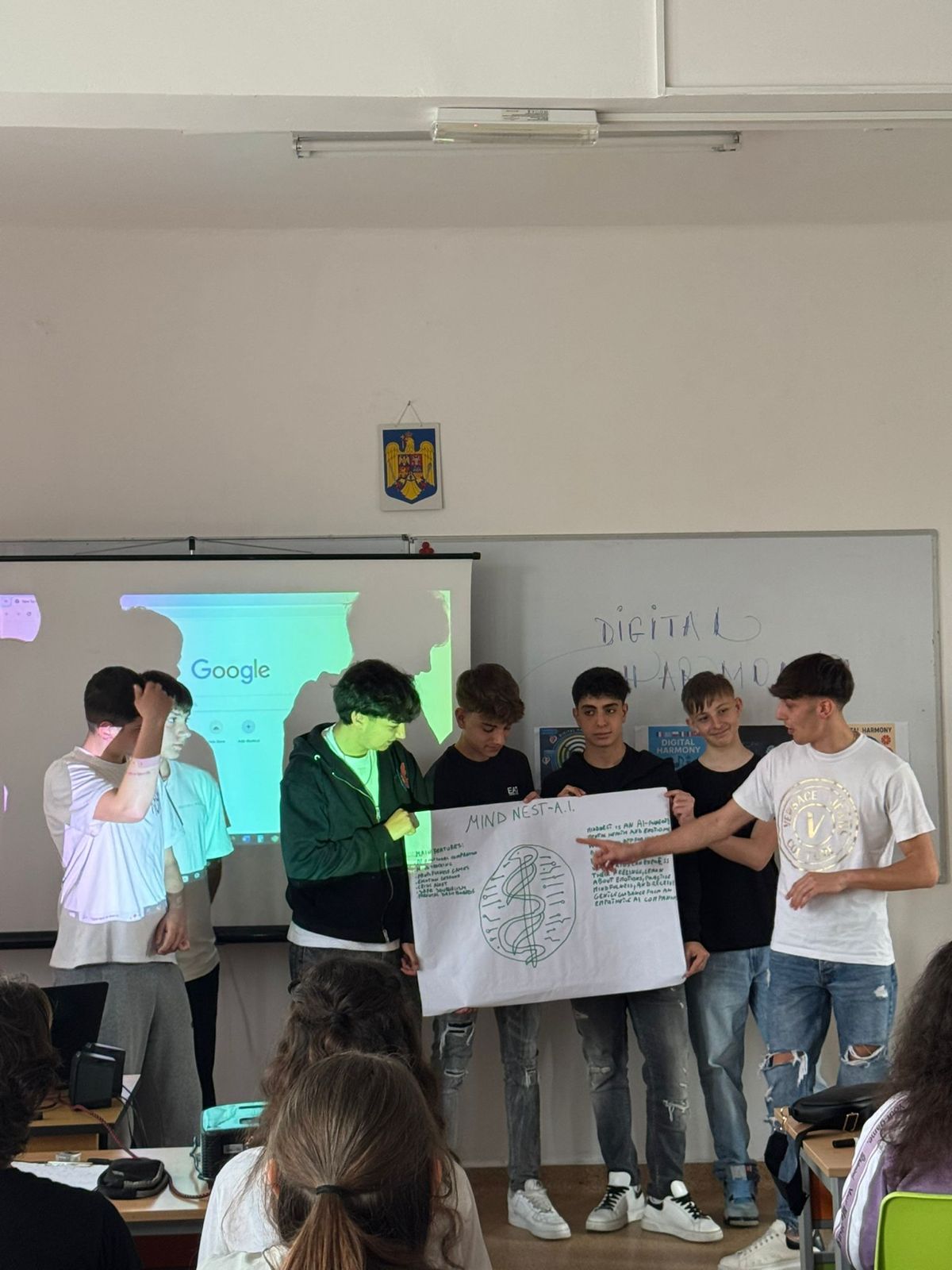
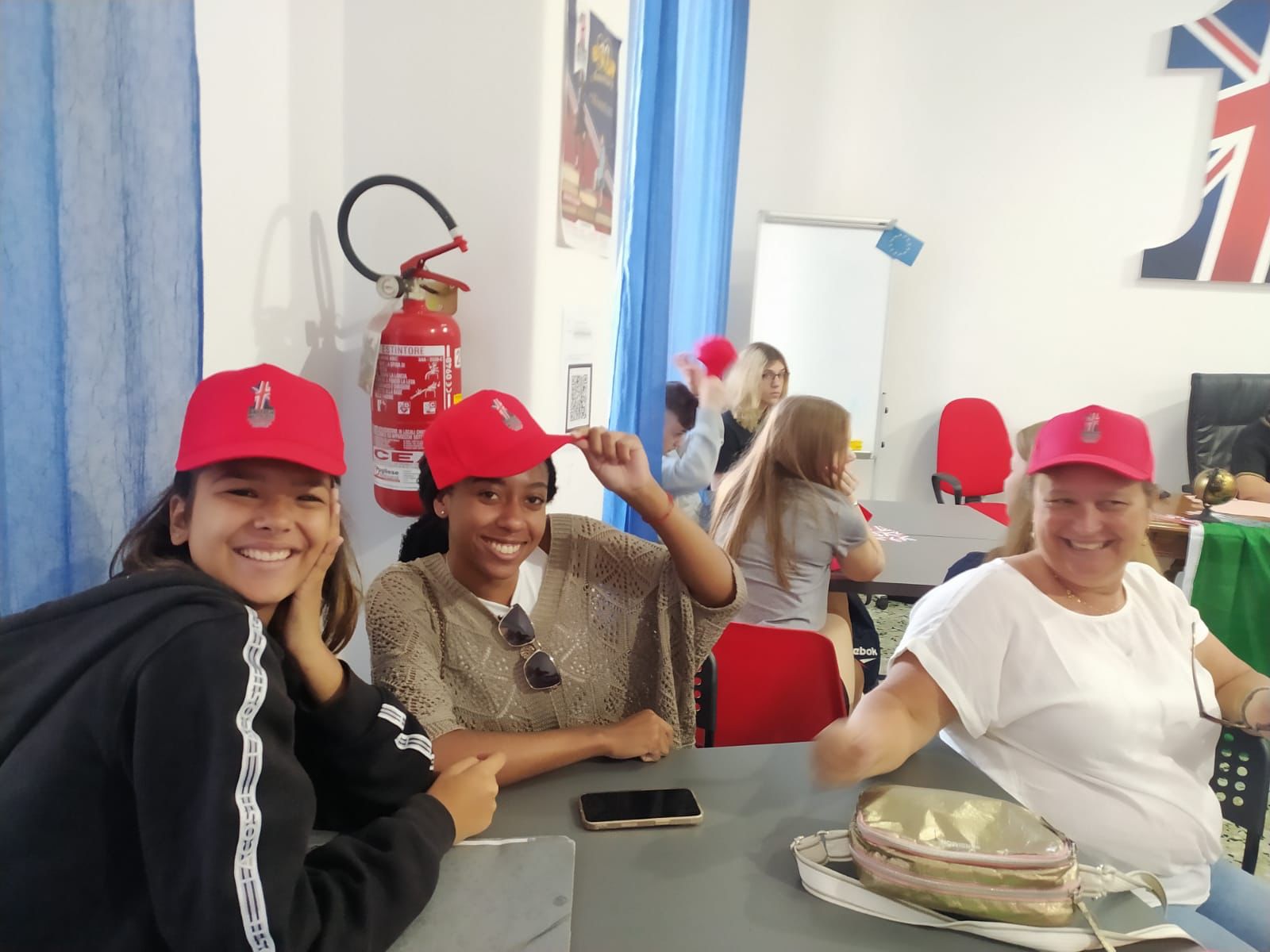
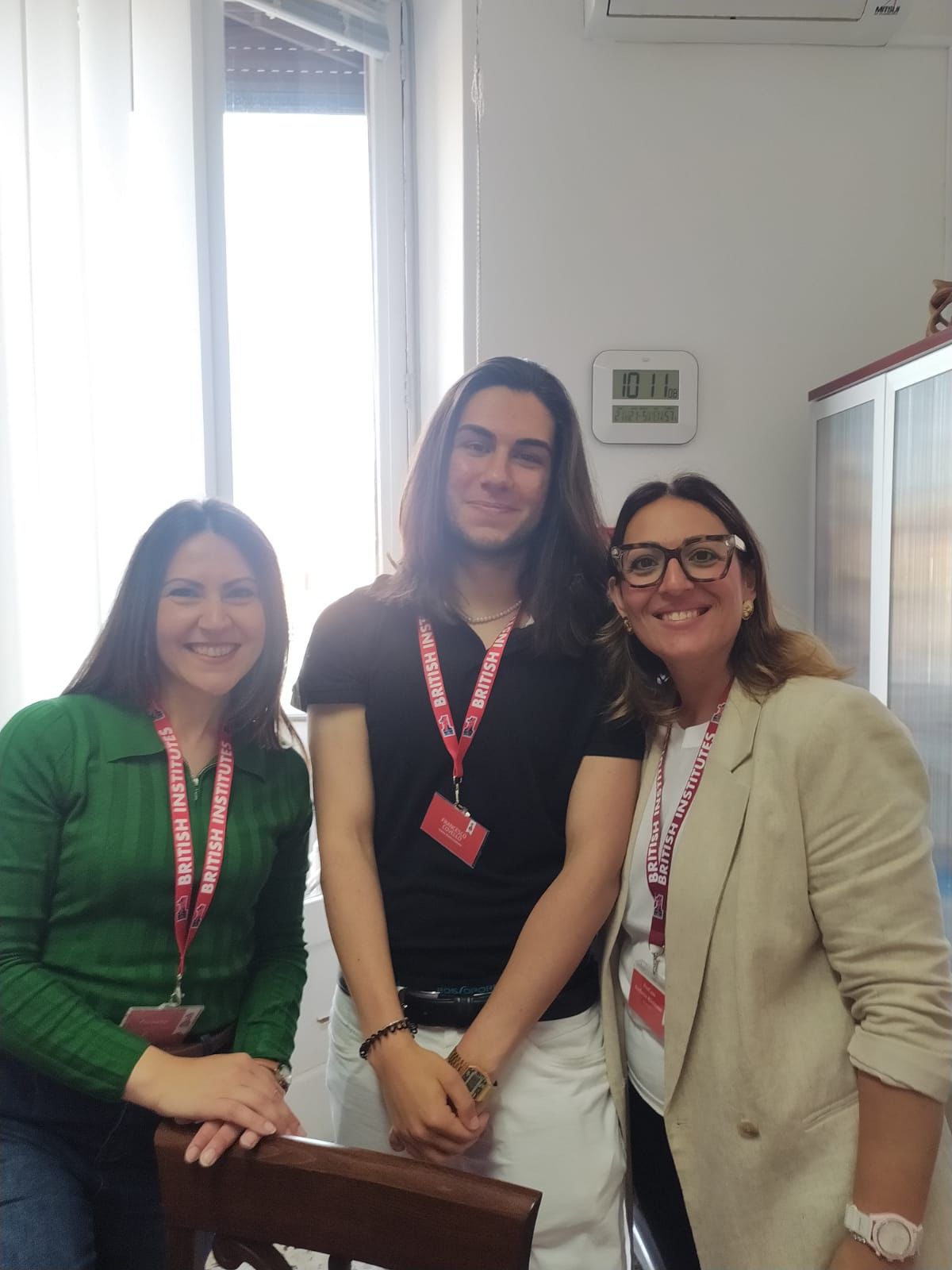
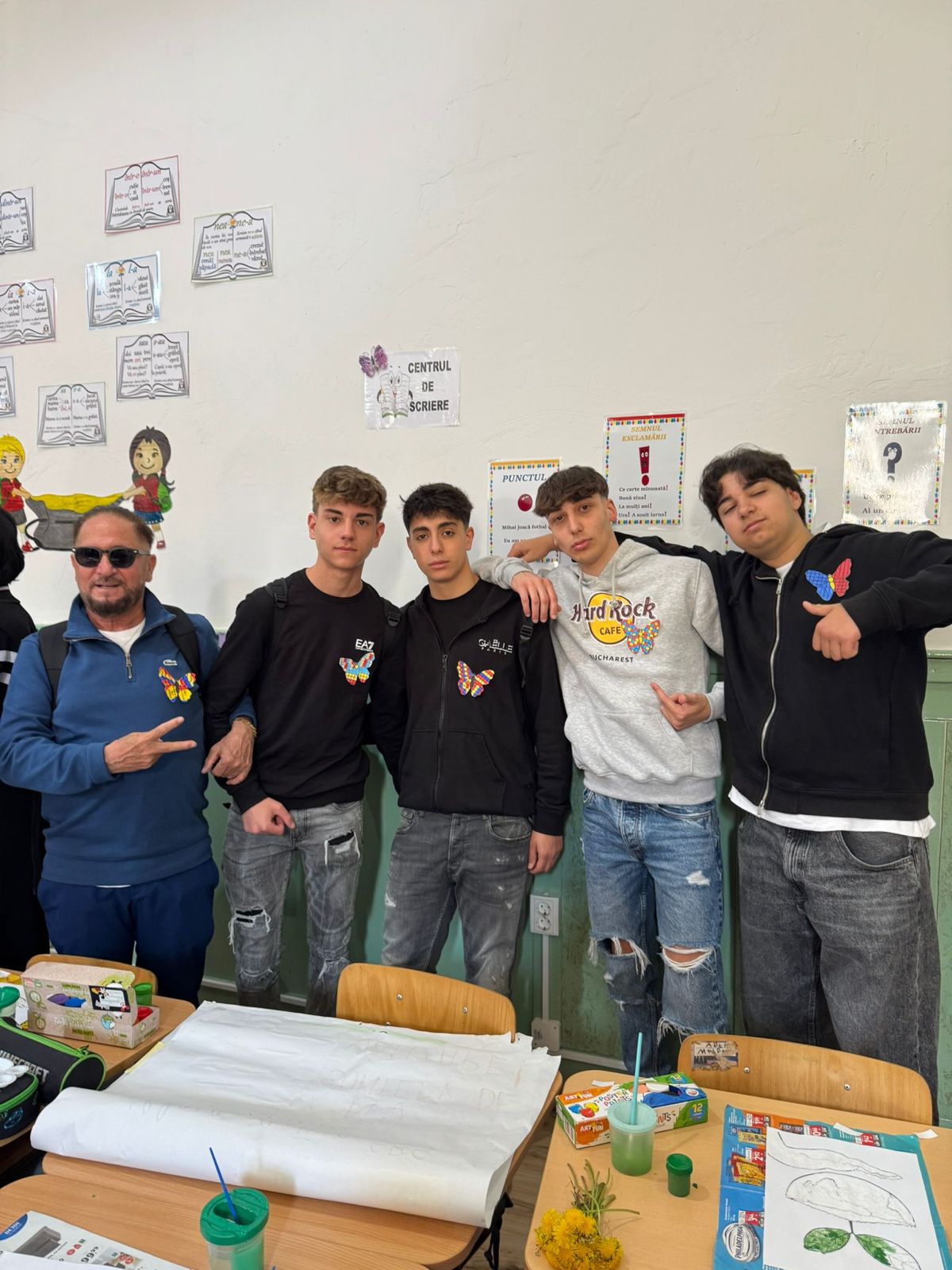
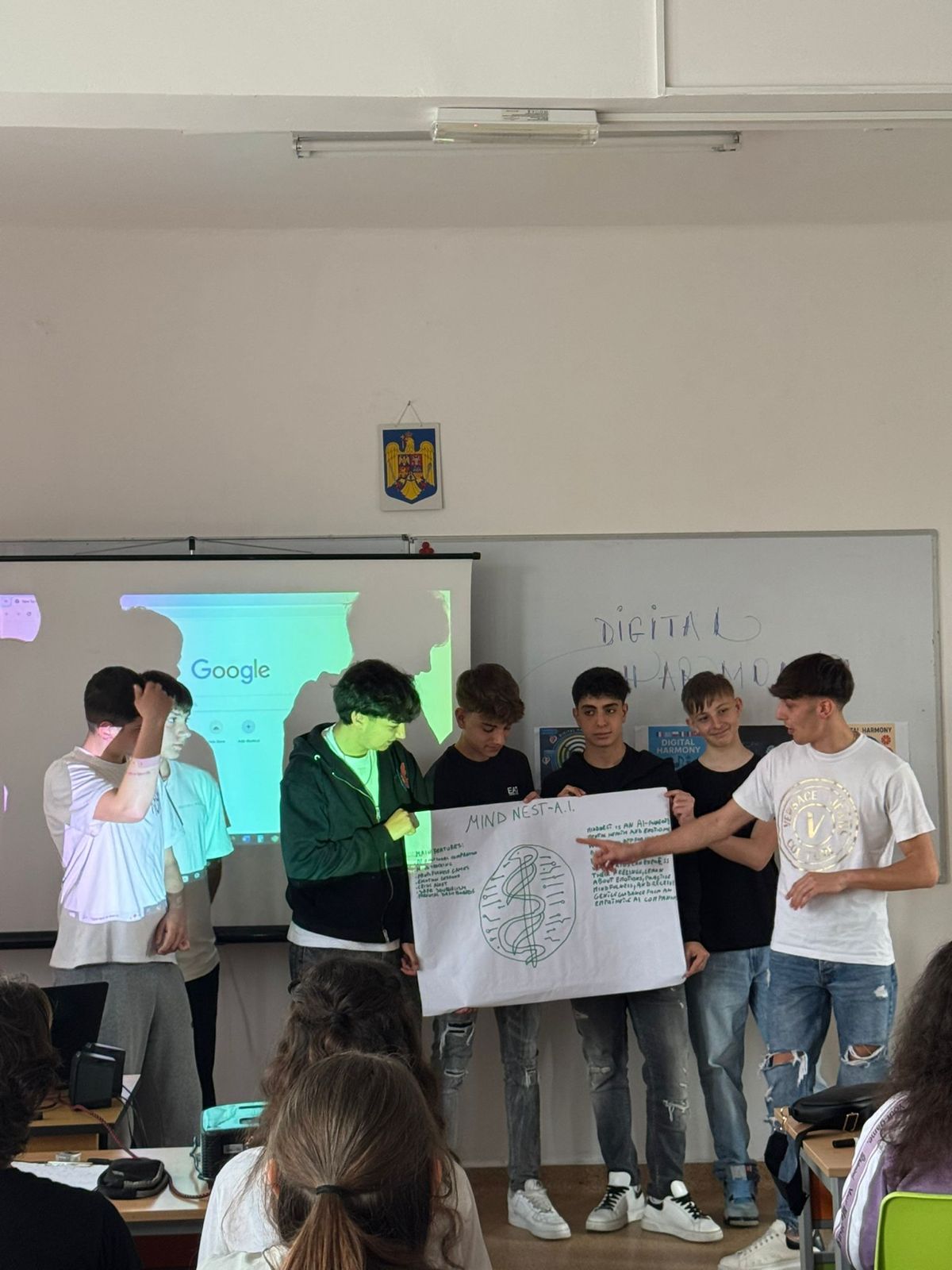
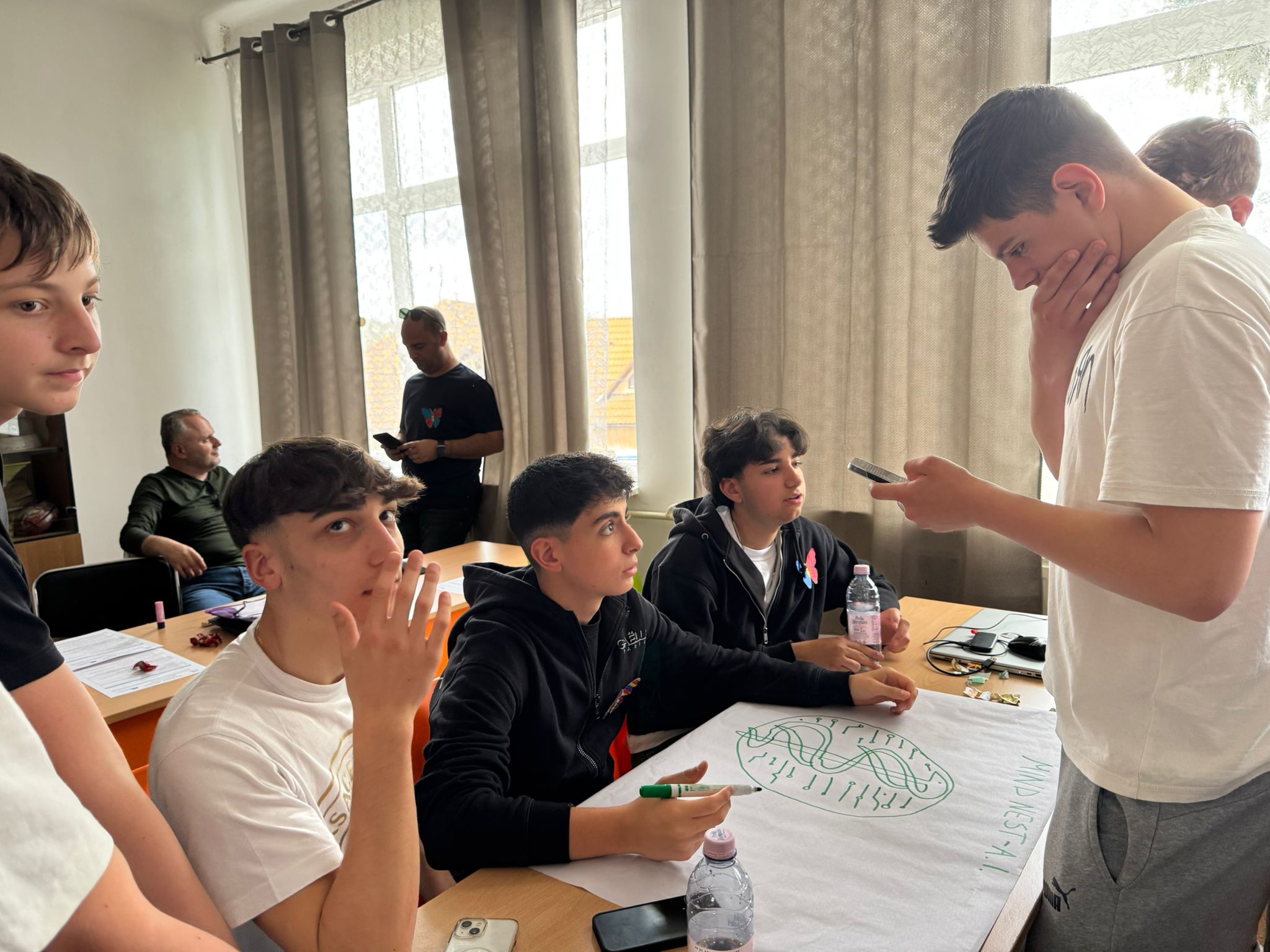
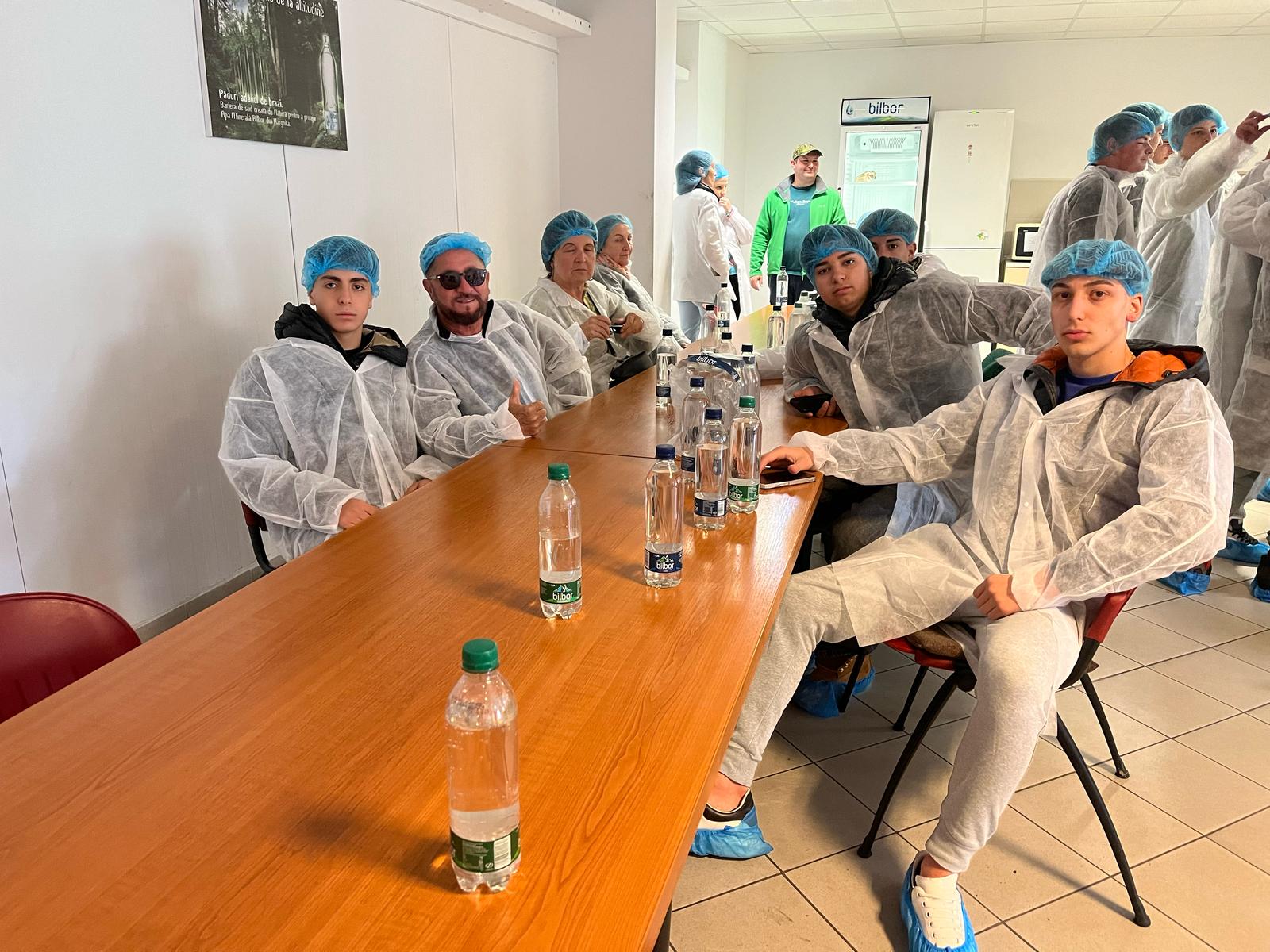
Some snapshots from workshops, cultural visits and social moments of the meeting.
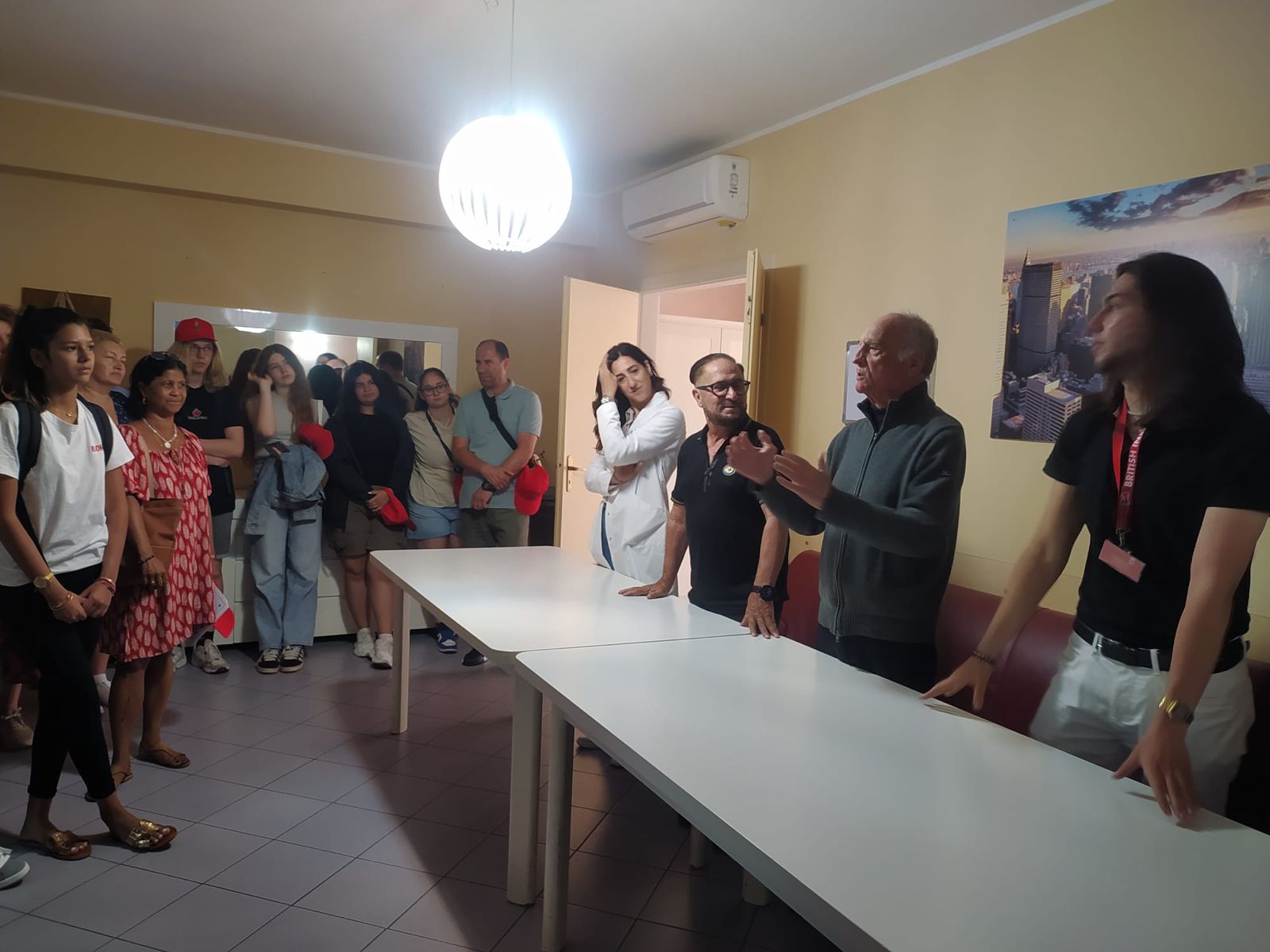
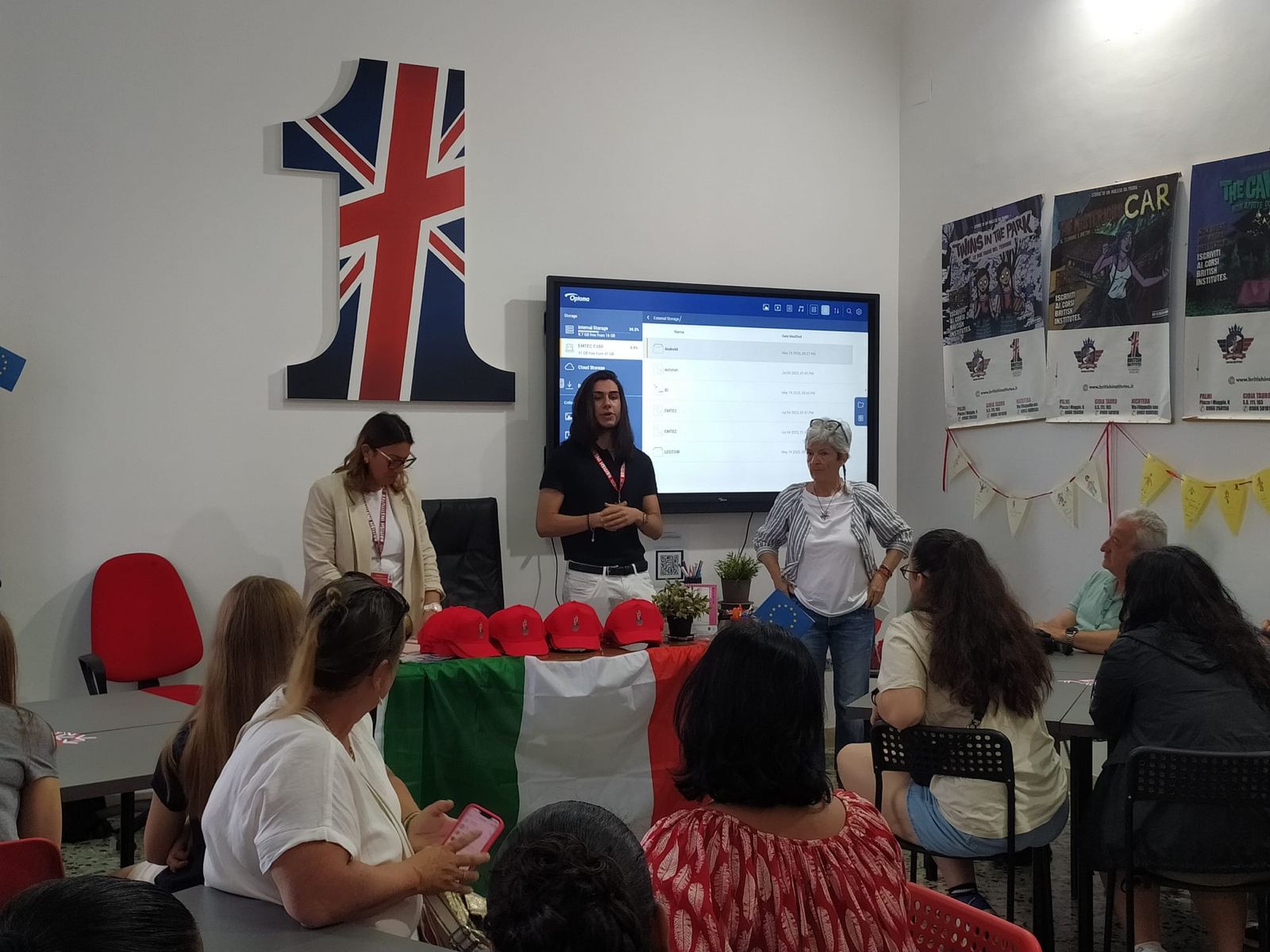
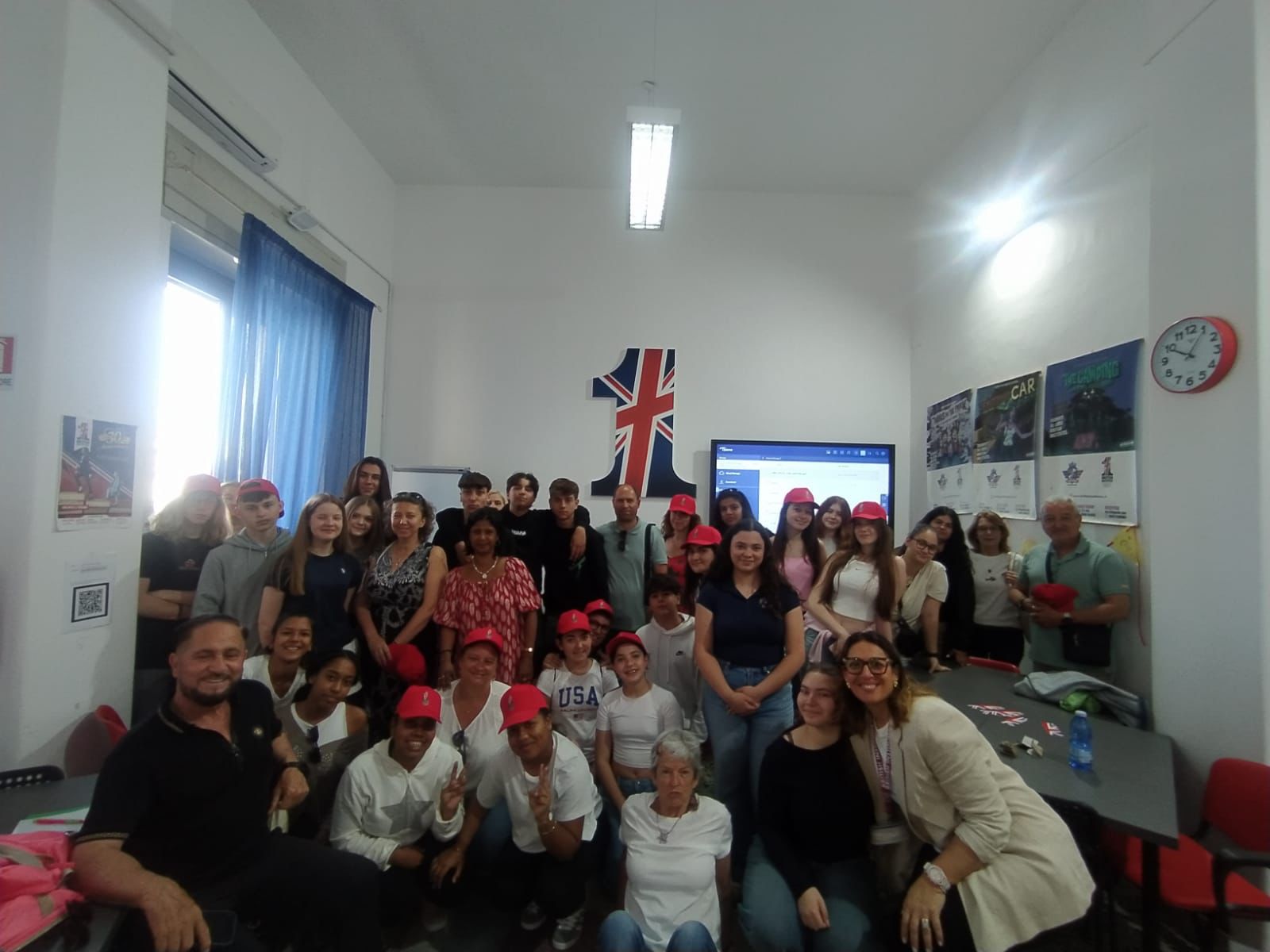
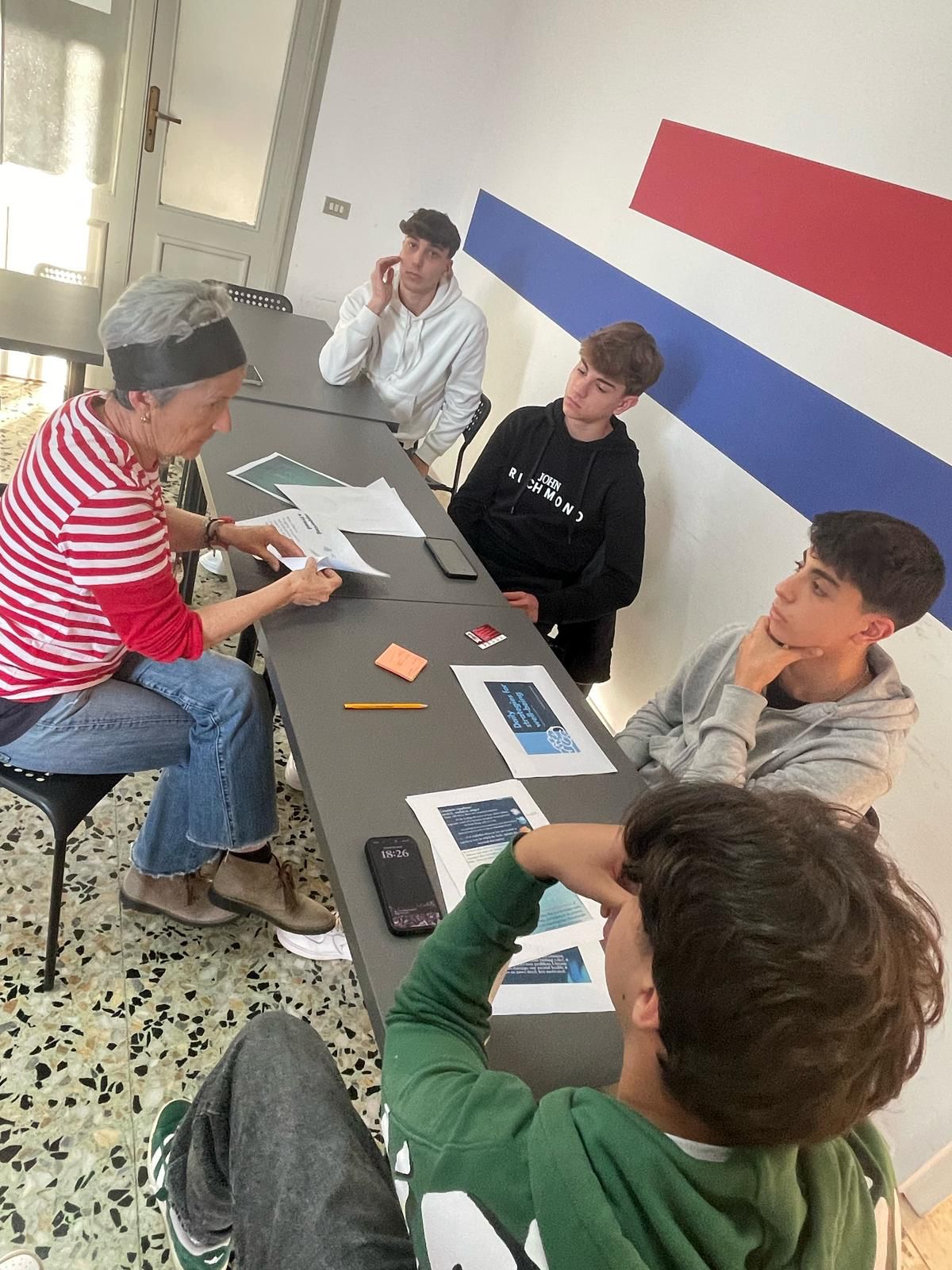
Centro Emanuele Workshop
Complete photographic documentation of laboratory activities at the Emanuele Center in Reggio Calabria, dedicated to the development of inclusive technological solutions.
Workshops Conducted During the Meeting
Introduction to Assistive Technologies
Presenters: Turkey Team - Ferzent Bulum Anatolian High School
Objective: Introduce assistive technologies and explain how they help people with disabilities to be more independent.
Activities carried out:
- Definition of assistive technologies: Explanation of what they are (simple or high-tech tools usable at home, school or work)
- Importance of AT: How they make people more independent, facilitate life and allow learning, working and communicating
- Types of assistive technologies: Presentation of mobility aids, communication tools, prosthetics, hearing aids, screen readers, Braille alphabet
- Practical examples: Braille books, speech synthesis software, smart home devices, magnifying glasses, wheelchairs, special keyboards
- AT users: People with physical disabilities, learning/vision problems, elderly
- Benefits: Greater freedom, confidence, better learning and communication
- Challenges and future: Discussion on high costs and possible future solutions
Results: Greater understanding of assistive technologies and their importance for improving independence and quality of life for people with disabilities.
Accessibility Tools in Education
Presenters: Turkey Team - Ferzent Bulum Anatolian High School
Objective: Make learning easier for everyone, ensuring fair education even for students with disabilities.
Activities carried out:
- Definition of accessibility: Explanation that everyone can learn regardless of their abilities
- Target of tools: Students with vision problems, hearing loss, reading/writing difficulties, physical challenges and speech difficulties
- Examples of tools presented:
- Text-to-Speech: reads text aloud
- Speech-to-Text: types what is spoken
- Screen readers for blind students
- Captions for hearing problems
- Special keyboards and mice
- Benefits discussed: Students learn better and faster, feel included, can study independently, help teachers
- Problems identified: Lack of tool knowledge among teachers, insufficient funds, lack of support for all students
- Proposed solutions: Train teachers, ask students what they need, use simple and useful tools
Results: Increased awareness about the importance of accessibility in education and understanding of practical solutions for schools.
Assistive Technology in Physical Education
Presenters: Turkey Team - Ferzent Bulum Anatolian High School
Objective: Make physical education inclusive by overcoming barriers faced by students with disabilities.
Activities carried out:
- Need for AT in PE: Explanation of the importance of inclusion and how AT helps overcome barriers
- Types of AT in physical education:
- Mobility aids (sport wheelchairs, walkers)
- Sensory aids (balls with sound signals, tactile indicators)
- Communication devices
- Adapted sports equipment
- Real examples presented:
- "Beep baseball" for visually impaired students
- Wii Fit or Kinect for practicing motor skills
- Adapted yoga with supports for people with physical limitations
- Benefits discussed: Increased inclusion and participation, improved motor development, building confidence and self-esteem
- Challenges identified: Equipment costs, lack of training for teachers, maintenance issues
- Teachers' role: Adapt activities and objectives, learn about available tools, collaborate with specialists
- Future of AT in PE: Smart wearable devices, virtual/augmented reality, AI movement tracking
Results: Promotion of inclusive physical education through assistive technology, with focus on empowerment through participation.
Overall impact: The three workshops sensitized participants about the importance of assistive technologies in all aspects of education, from traditional teaching to physical education, promoting a truly inclusive approach.
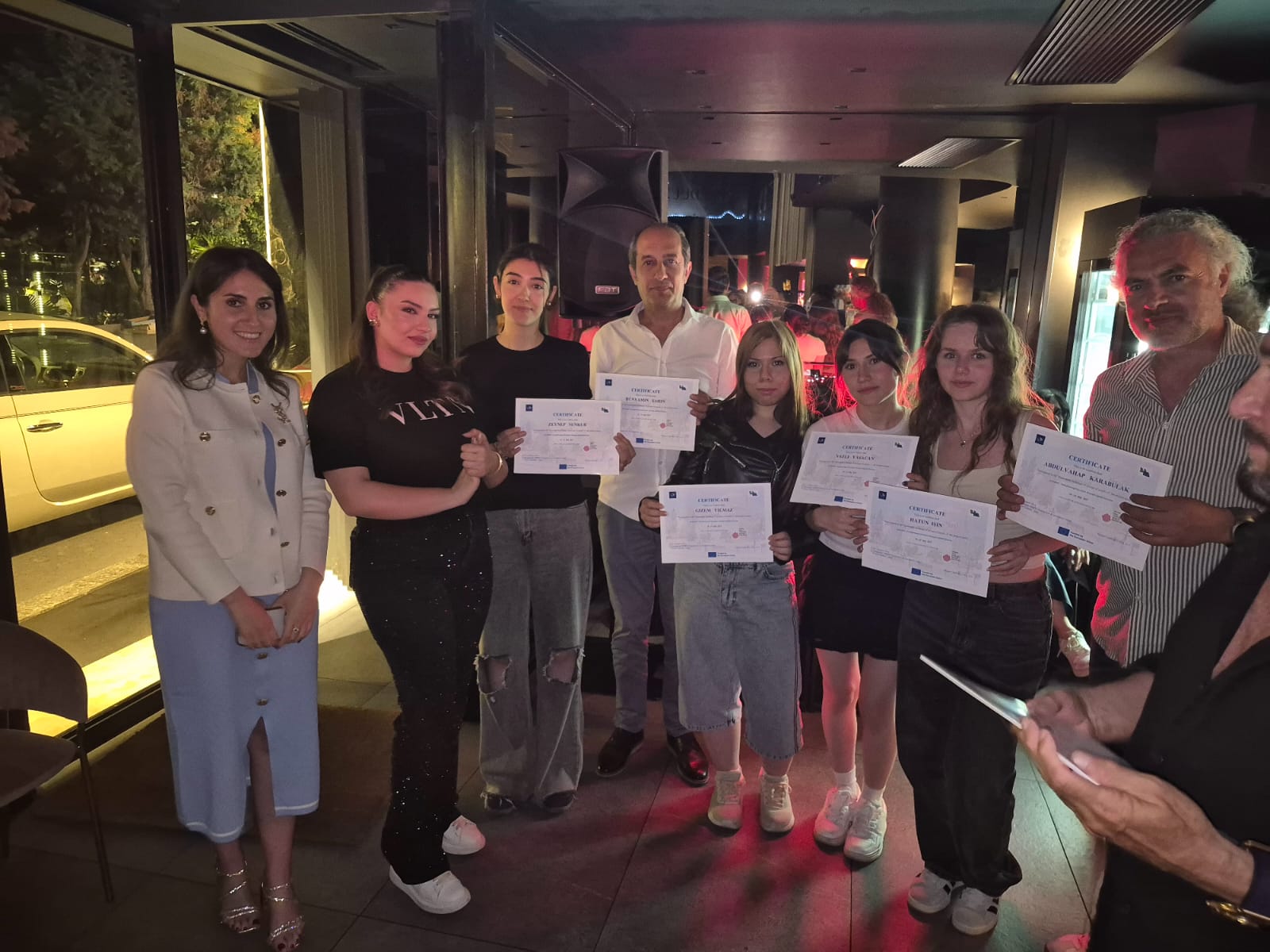
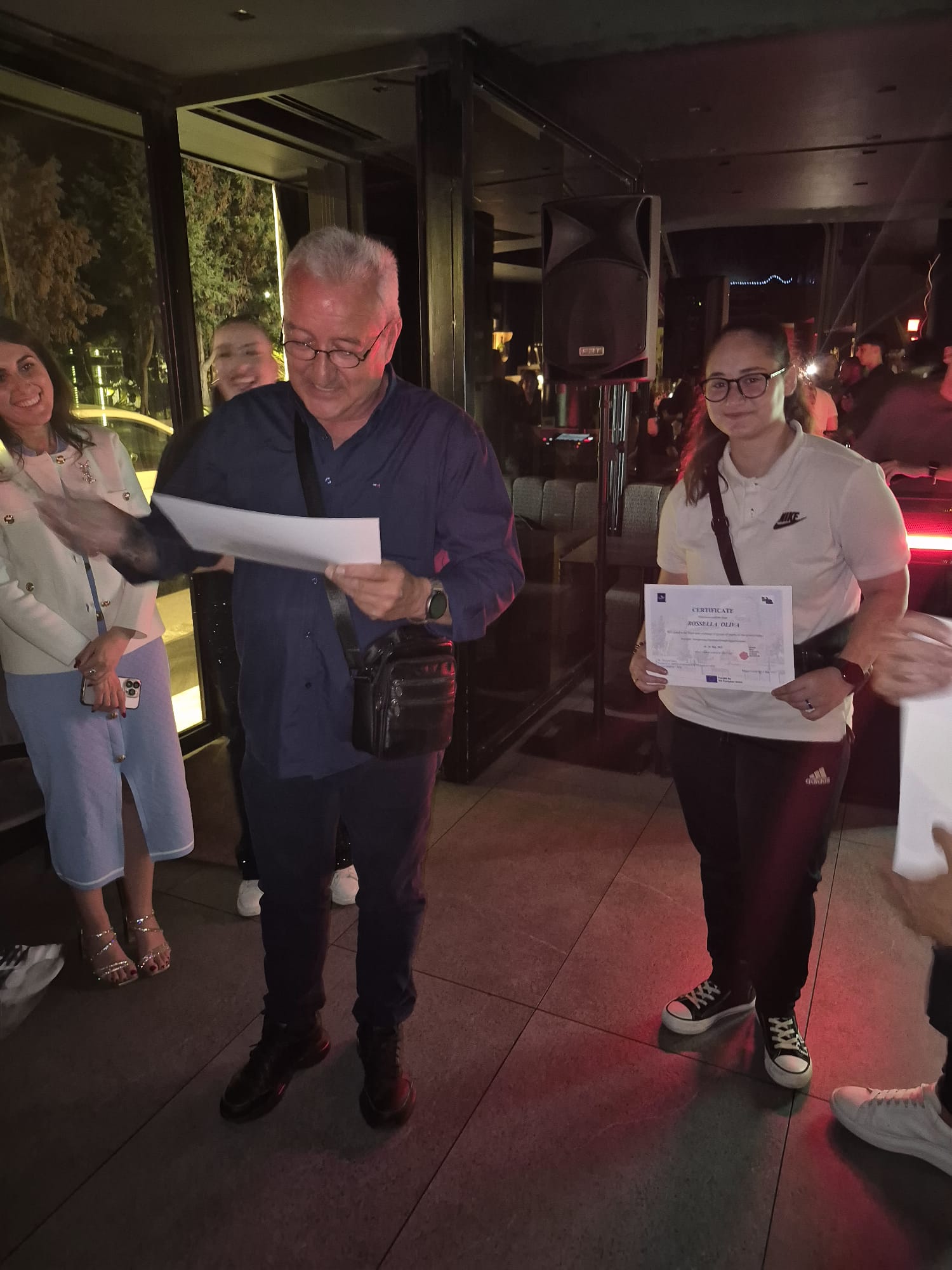
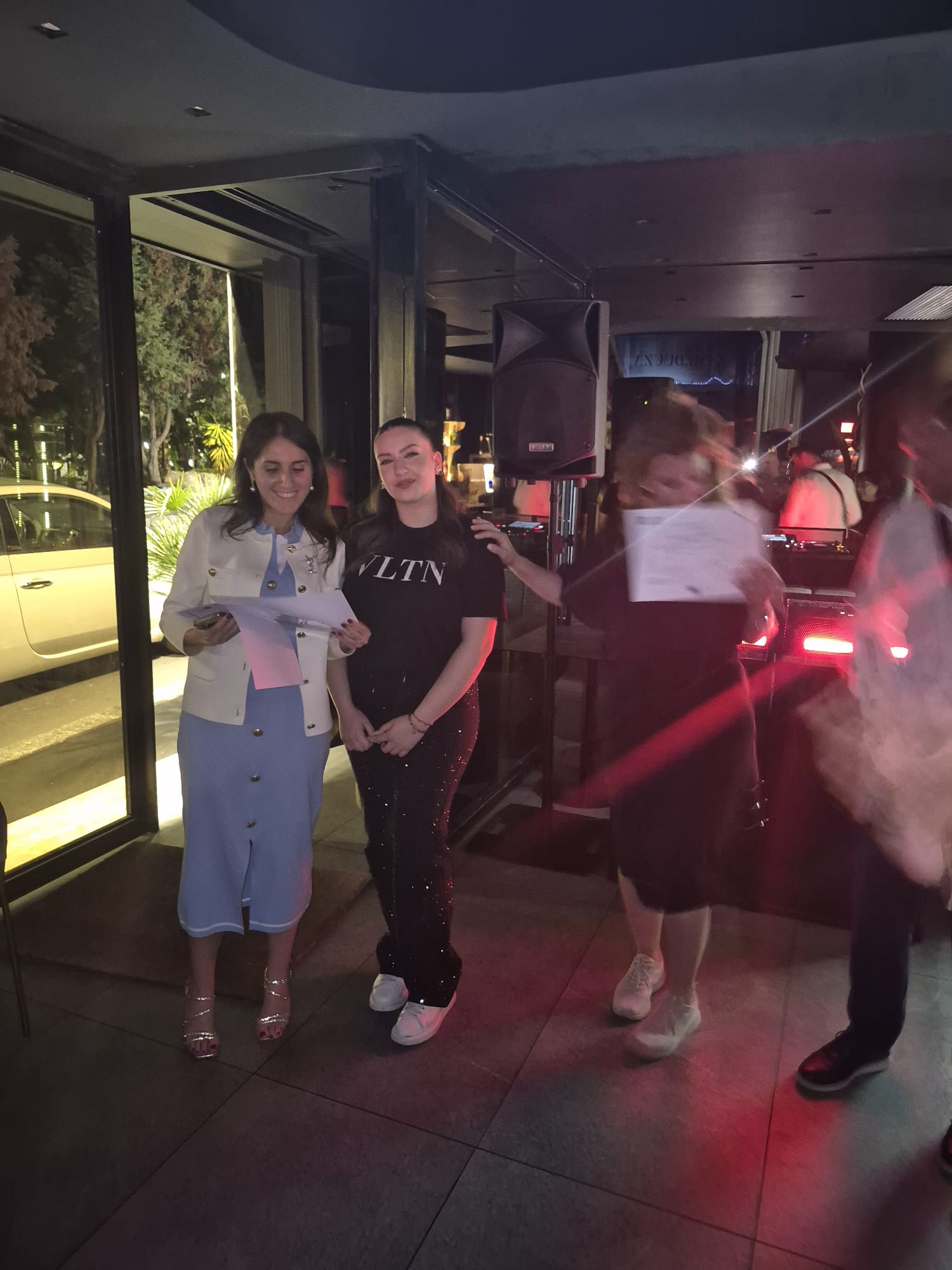
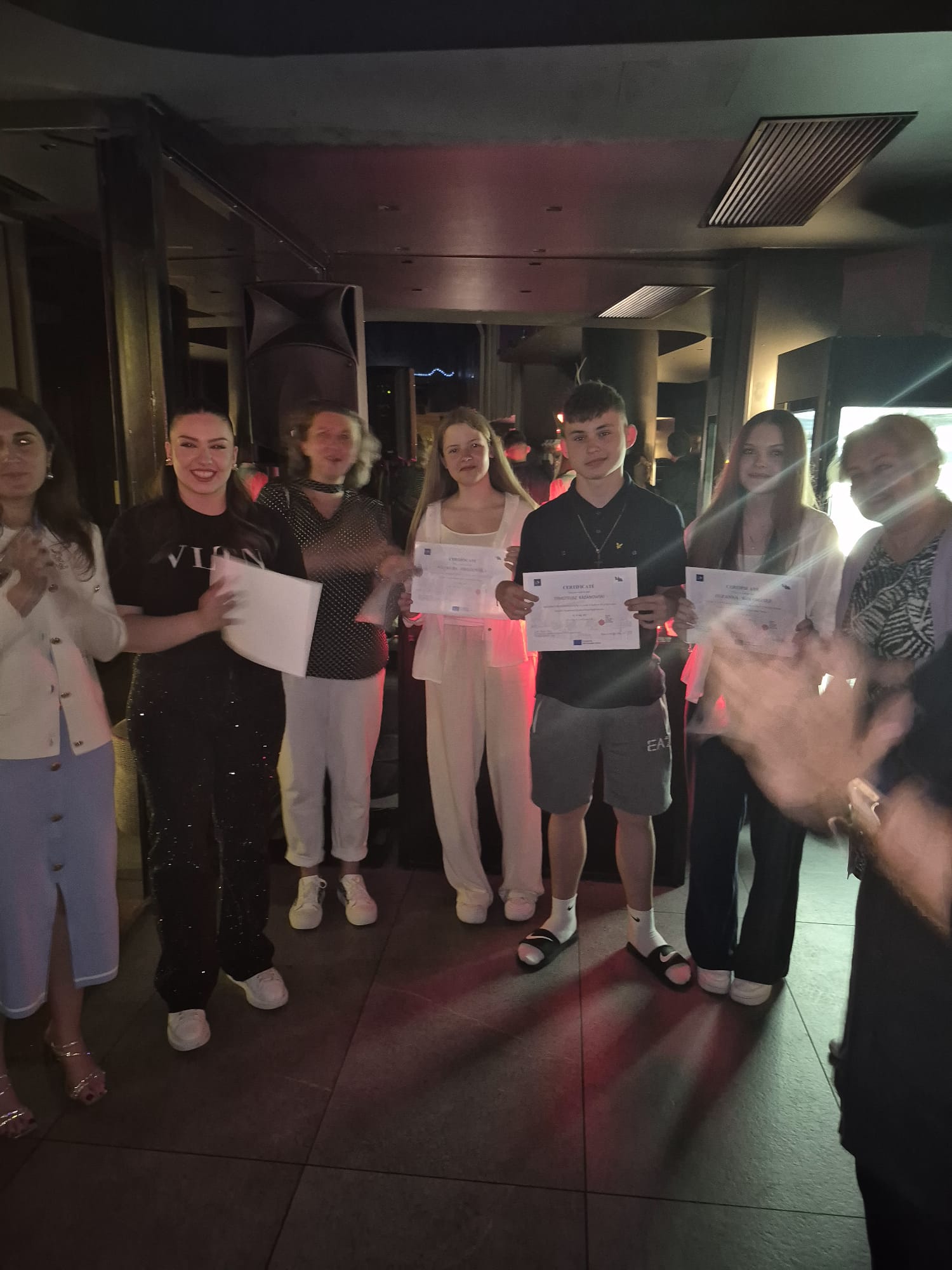
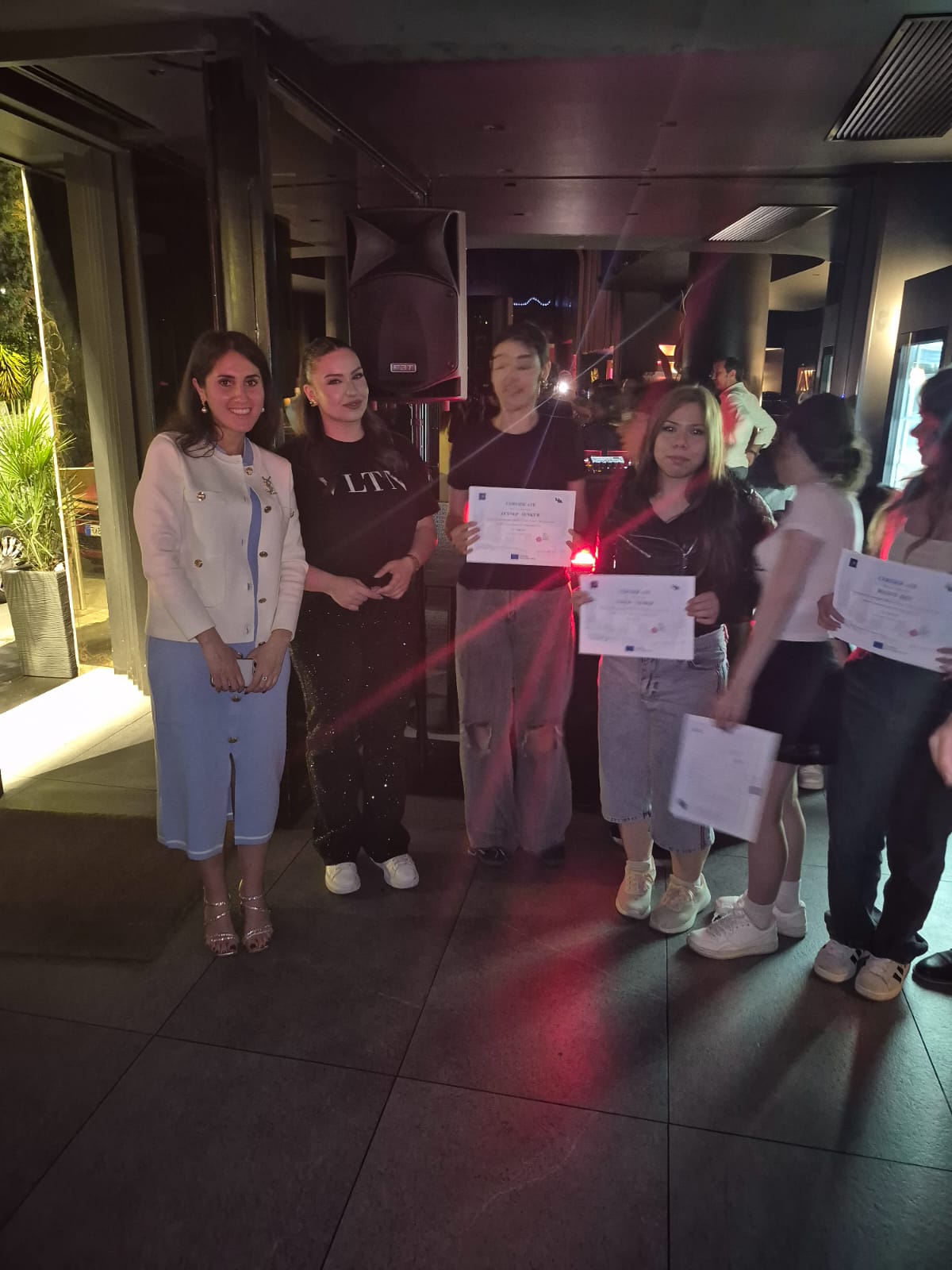
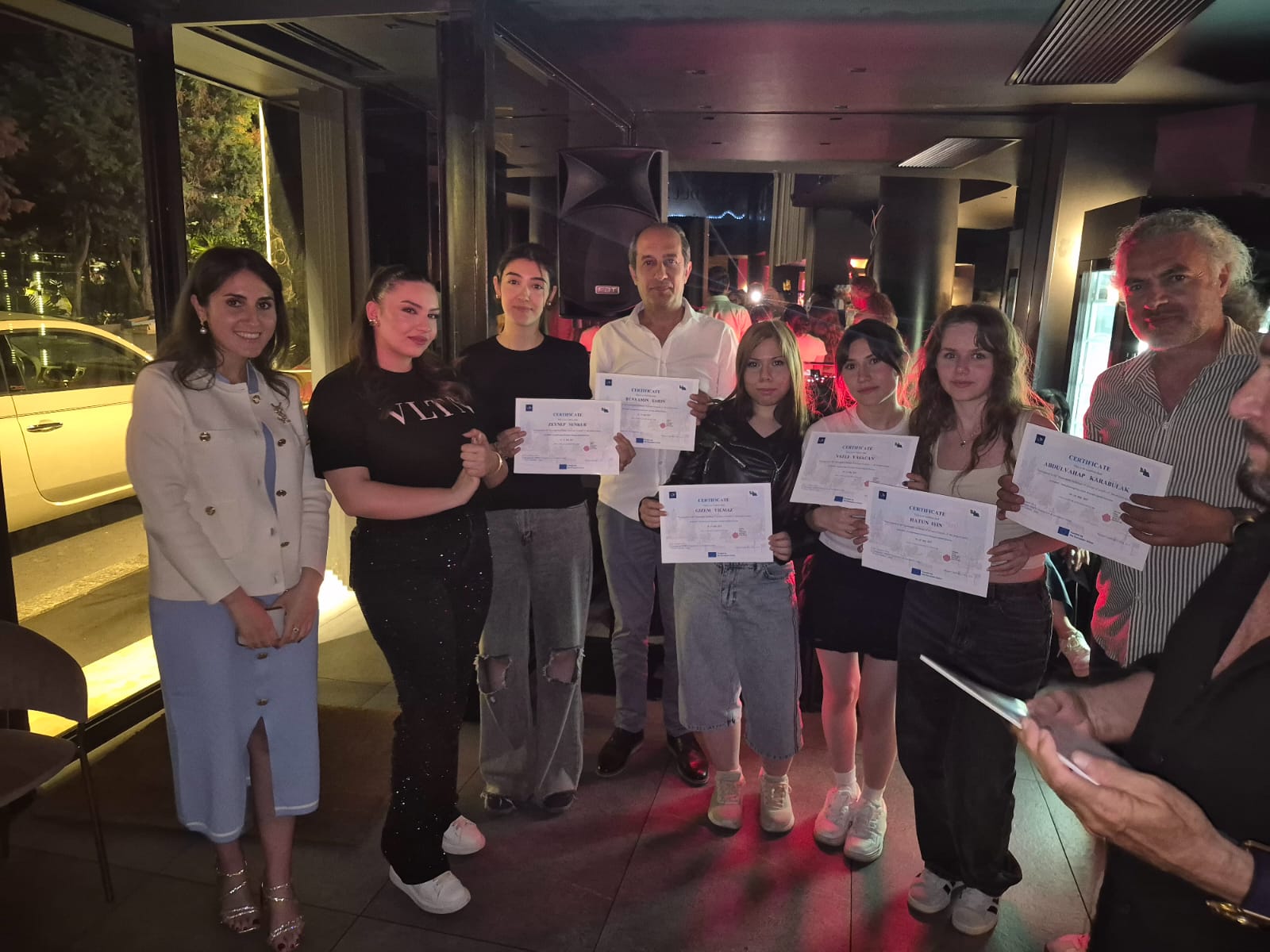
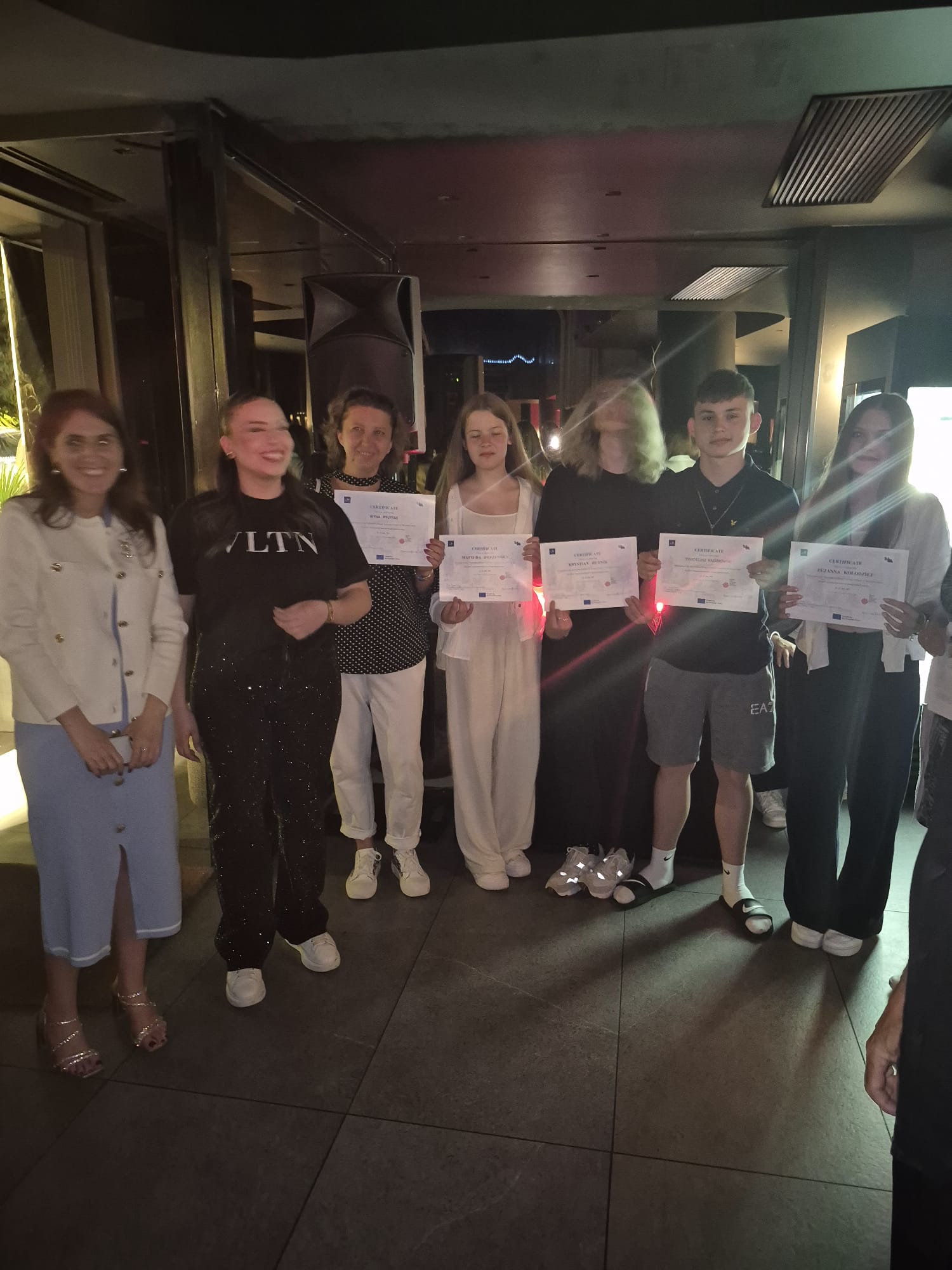
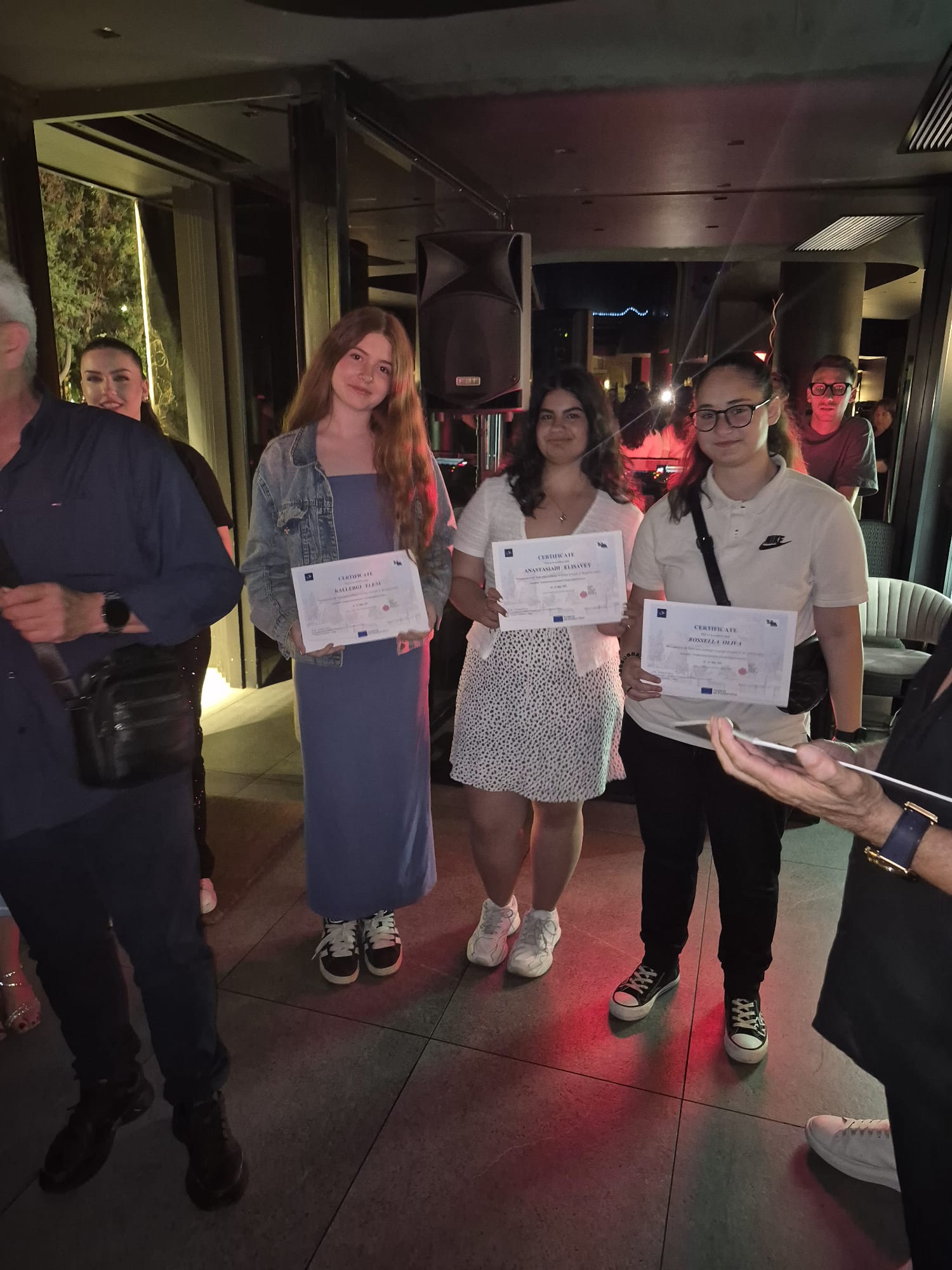
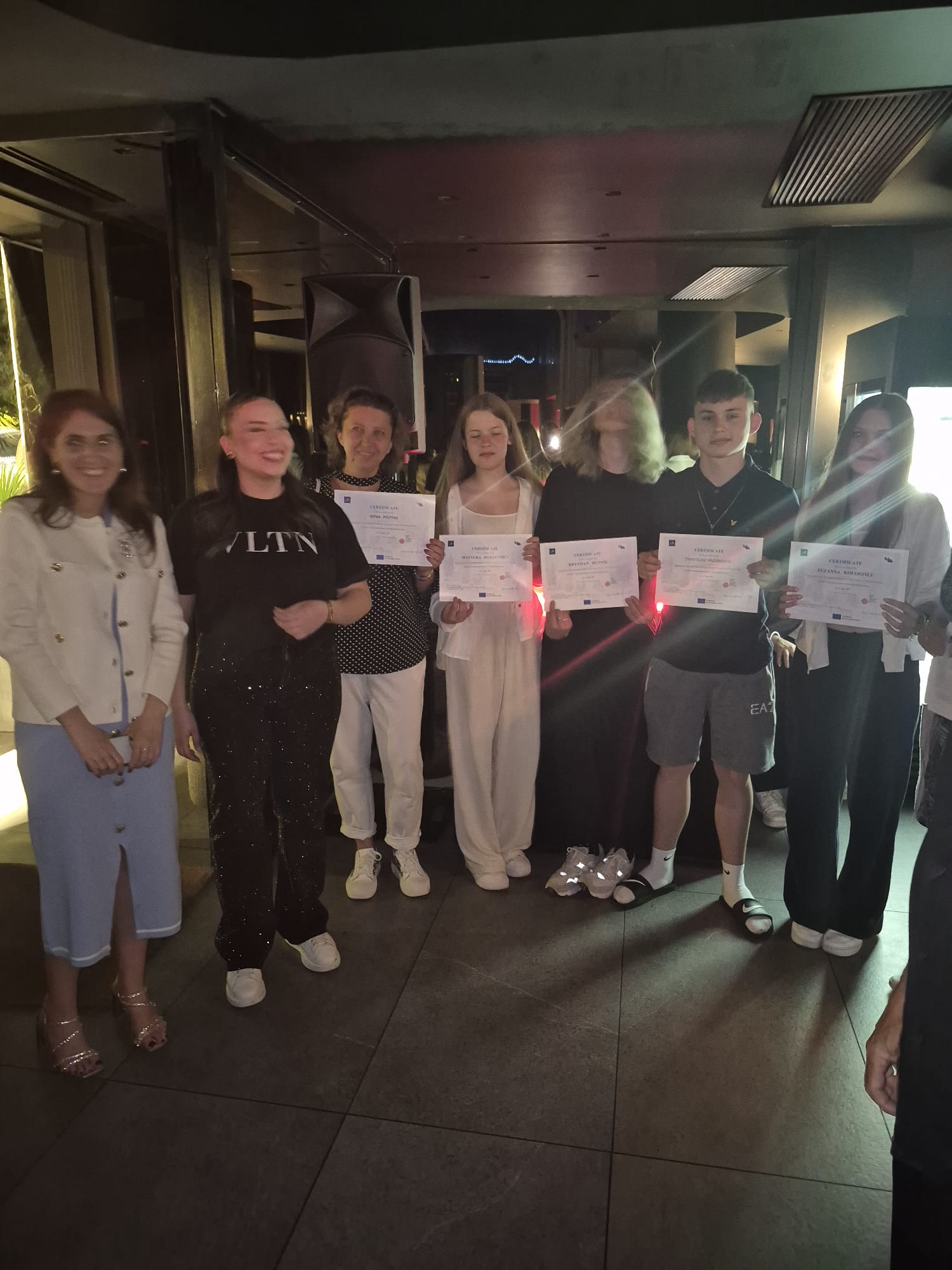
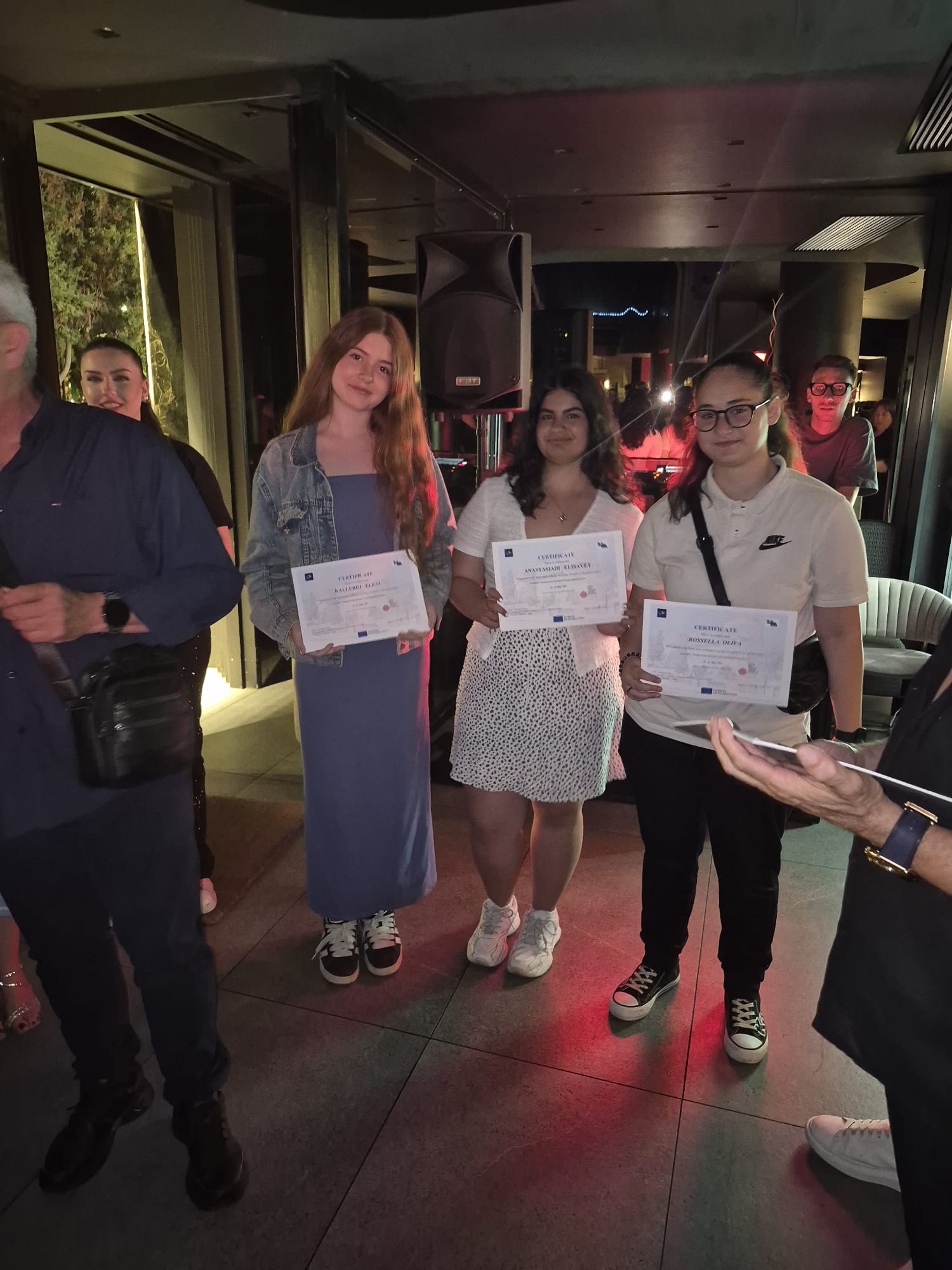
Photo Gallery: Certificate Ceremony
Moments from the final ceremony where participants received their well-deserved certificates, celebrating a week of learning and collaboration.
Project Partners
Access4All is made possible by the collaboration of six organizations from different European countries.